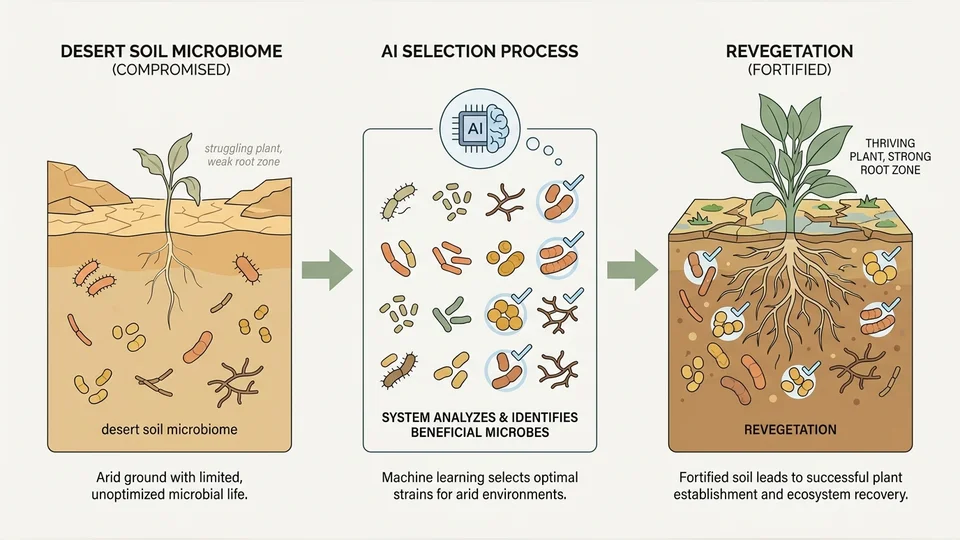
Enabling desert revegetation by AI-tailored soil microbiome fortification Sun, Jan 1 2023 - Wed, Dec 31 2025 Microbial communities Neuro-Symbolic AI protein function Roughly twelve million hectares of dryland are lost every year worldwide, and the megaprojects launched to reverse desertification — the Sahel's Great Green Wall is the canonical example — typically fail because most planted trees die when irrigation stops. The biological reason is that desert soils are low in nutrients and high in salinity, and the microbial communities that mediate nitrogen, phosphate, and mineral acquisition for plants are missing or unbalanced. This project, led by Heribert Hirt's plant-microbiome group with our group and the Modeling and Simulation group of Gabriel Wittum
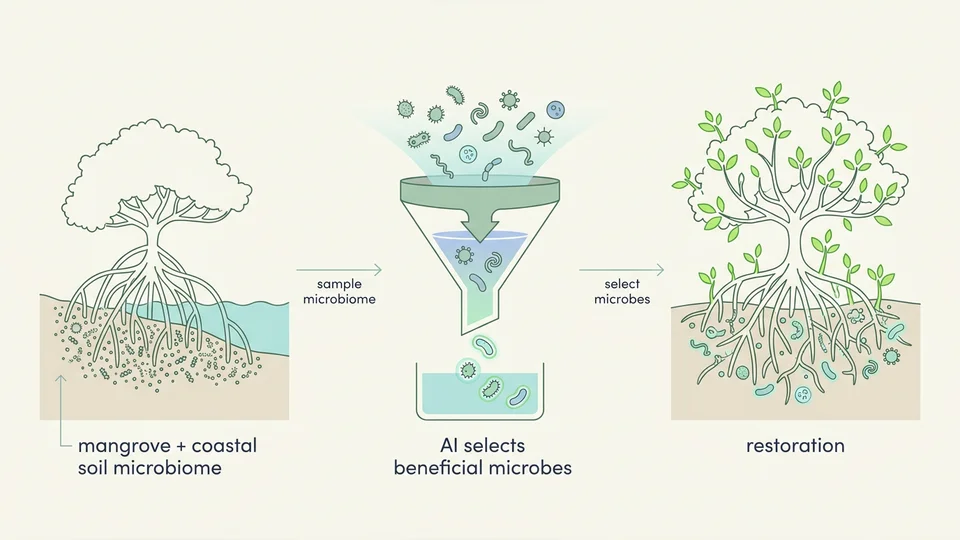
Enabling mangrove restoration by AI-tailored microbiome fortification Sun, Jan 1 - Sun, Dec 31 2023 genomics Microbial communities Neuro-Symbolic AI This short collaboration (2023, funded under the KAUST Center for Living Innovation program) developed AI-tailored microbiome work in support of coastal mangrove restoration in Saudi Arabia. The project ran as a sister activity to the BORG group's larger desert-microbiome program with the NTGC, applying analogous metagenomic and functional-annotation pipelines to mangrove sediment and root-associated communities rather than to arid-soil systems. Heribert Hirt (DARWIN21, KAUST) was the Principal Investigator, with Hoehndorf as Co-Investigator providing the computational microbiome analysis
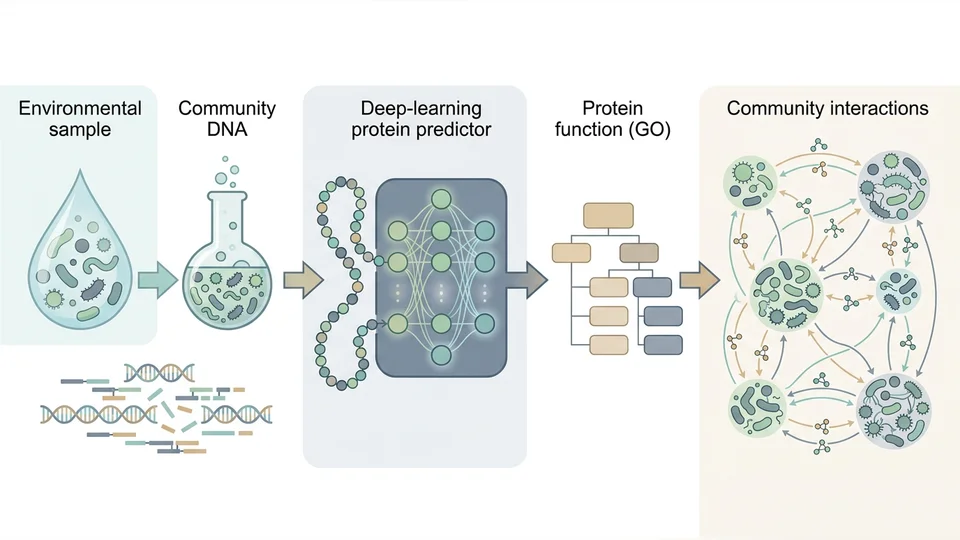
Computational methods for functional metagenomics: from protein functions to multi-scale interactions Sat, Jan 1 2022 - Tue, Dec 31 2024 Applied Ontology Microbial communities Neuro-Symbolic AI protein function Metagenomic sequencing has made it routine to read the DNA of an entire microbial community, but most analysis pipelines stop at taxonomic composition or at the level of individual protein families. The really biologically informative questions, which proteins do what, which proteins interact, which metabolic pathways are reconstructible, and how the community as a whole interacts with its environment or host, remain largely out of reach computationally. Even associations that are very robust empirically, for example between gut microbiome composition and colorectal cancer or inflammatory
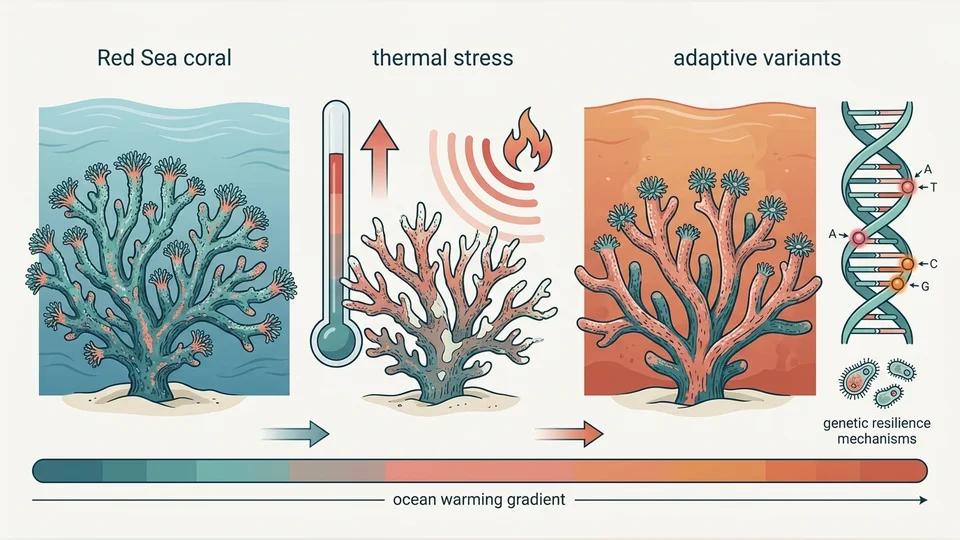
Evolutionary potential of corals to adapt to climate warming Sat, Jan 1 2022 - Wed, Dec 31 2025 genomics protein function Reef-building corals in the Red Sea are exposed to among the highest sea-surface temperatures of any reef system on Earth, yet survive and reproduce at conditions that bleach corals elsewhere. Understanding the molecular basis of this resilience, and the limits of acclimatization and adaptation as the Red Sea continues to warm, is one of the central questions in marine climate biology. The project combines reciprocal transplant experiments along the north-south Red Sea thermal gradient with genome-resolved transcriptomics, epigenomics, and host-symbiont metabarcoding to dissect how the coral
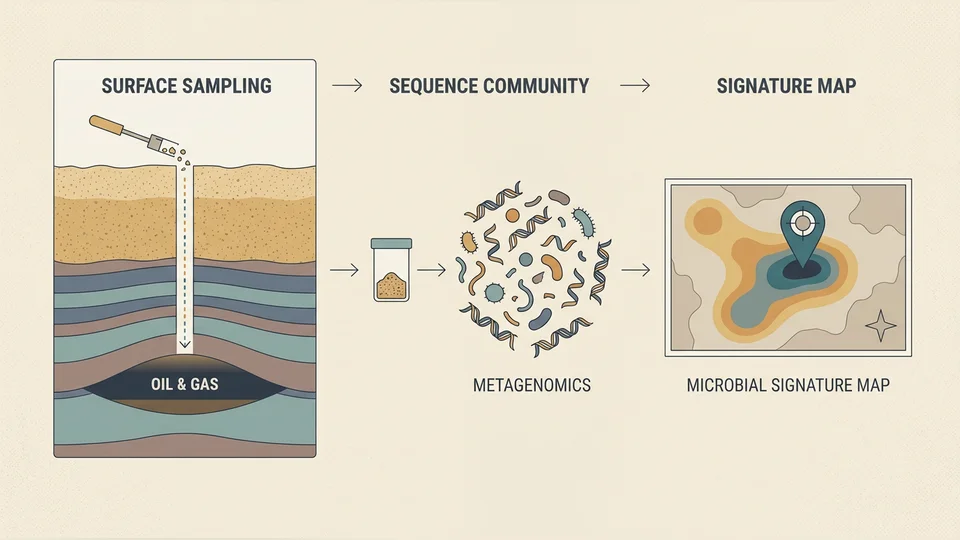
Metagenomics-based surface prospecting Sat, Jan 1 2022 - Tue, Dec 31 2024 Microbial communities Hydrocarbon-bearing geological formations carry a characteristic microbial signature. Methanotrophs that oxidize seep methane, methanogens that produce it, and sulfate-reducing bacteria that thrive at the oxic-anoxic boundaries created by hydrocarbon migration leave a detectable imprint in surface and near-surface soils. If that imprint can be read reliably, it offers an independent, low-cost screening modality to complement seismic surveys in exploration. The project, carried out for Saudi Aramco's Upstream Research Center under a 24-month scope of work (PI Hoehndorf, co-PIs Takashi Gojobori
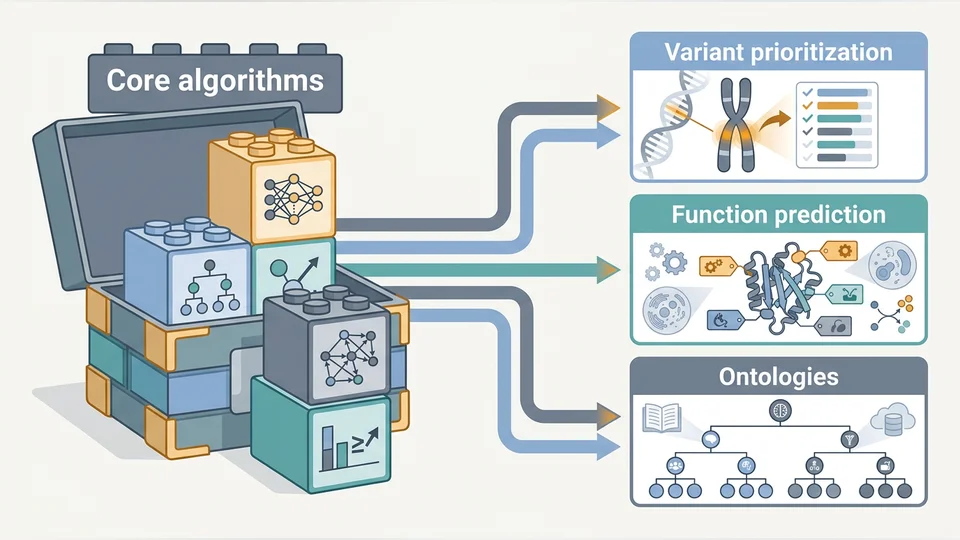
Development of Algorithms for Biotechnology and Biomedical Applications Fri, Jan 1 2021 - Sun, Dec 31 2023 Neuro-Symbolic AI This CBRC Competitive Funding project (2021–2023, run under the now-dissolved Computational Bioscience Research Center) functioned as an umbrella program for algorithm development across the group's biotechnology and biomedical work, with a deliberate focus on metabolic modeling — predicting metabolic function from genome, predicting interactions from structure, and learning from interaction networks to identify disease-relevant biology. The unifying scientific bet was that systems biology requires algorithms that operate not on isolated molecules but on the networks of interactions within and
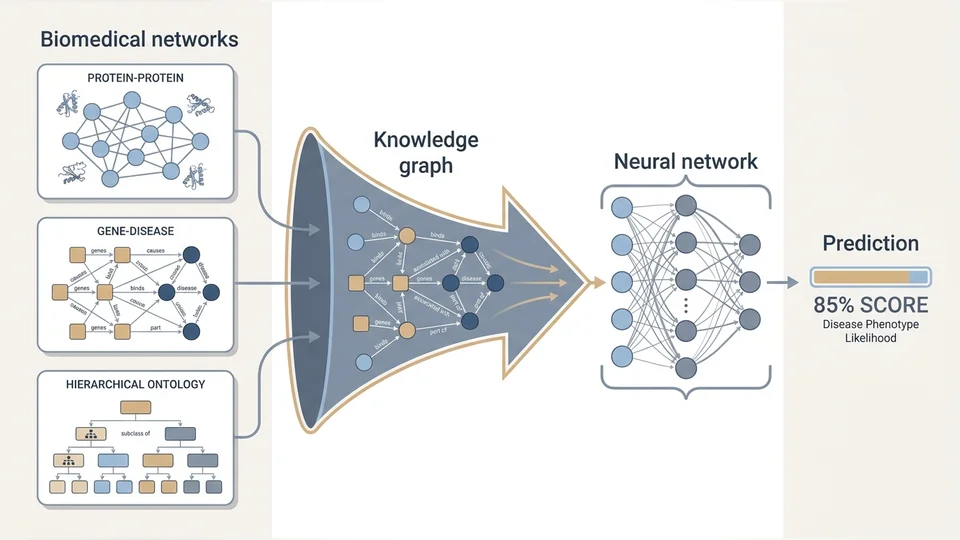
IBNSINA-QI: Integrating Biomedical Networks and Semantic Information for Neural network Analysis of Quantitative Information Fri, Jan 1 2021 - Sun, Dec 31 2023 Applied Ontology Neuro-Symbolic AI Rare disease Biological measurements are inherently high-dimensional and heterogeneous: omics platforms produce thousands to millions of features per individual, and they coexist with qualitative information such as diagnoses, phenotype calls, and prescriptions. Biomedical ontologies and knowledge graphs encode rich qualitative background knowledge, but they are largely disconnected from the quantitative measurements that gave rise to the categorical phenotypes in the first place. Conversely, graph neural networks and other methods that handle quantitative data on graphs do not yet exploit the formal
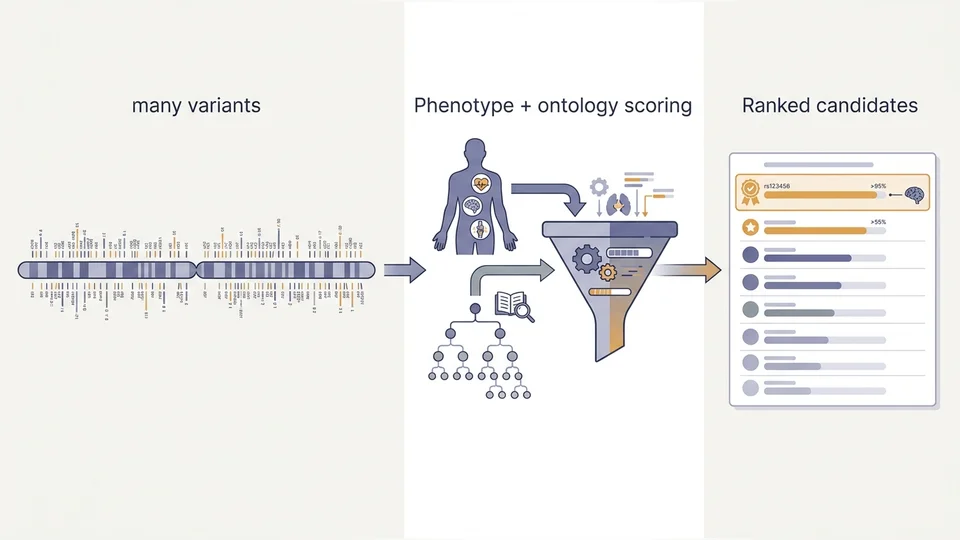
CompleX: Variant Prioritization in Complex Disease Tue, Jan 1 2019 - Fri, Dec 31 2021 Applied Ontology Neuro-Symbolic AI Rare disease Semantic similarity The hardest cases in clinical genome sequencing are the ones where no single variant explains the disease. As Mendelian gene discovery slows and the diagnostic rate for whole-exome sequencing stalls below 50%, growing evidence points to oligogenic and polygenic origins: combinations of medium-rare or common alleles that, individually, look unremarkable. Population-level approaches lack the power to find them, and traditional single-gene Mendelian reasoning ignores them. The CompleX project (2019–2021, with the Universities of Cambridge and Birmingham) set out to break this impasse by extending
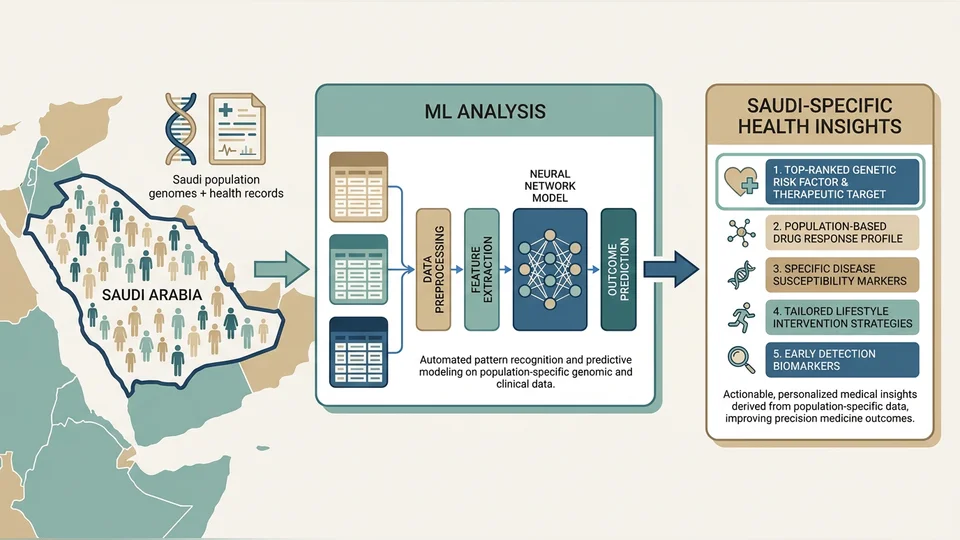
Improving health of Saudi population Tue, Jan 1 2019 - Fri, Dec 31 2021 Neuro-Symbolic AI Rare disease Translating modern biomedical knowledge into healthcare for Saudi Arabia requires methods that work on local data: a population with high consanguinity, a distinctive spectrum of inborn errors of metabolism, and clinical phenotypes that are not always well represented in international reference resources. The project, led by Hoehndorf at KAUST's Computational Bioscience Research Center (CBRC, now dissolved), developed health-informatics methods and resources oriented towards Saudi-population data, with a focus on rare disease, drug treatment, and the formal representation of phenotype
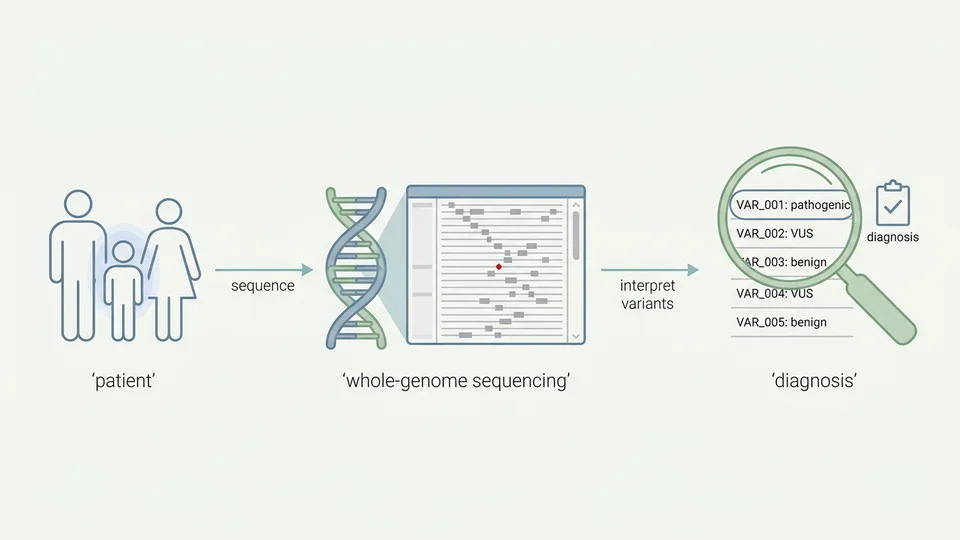
Whole genome sequencing of rare disease patients Tue, Jan 1 - Tue, Dec 31 2019 Rare disease This 2019 Office of Sponsored Research pilot was a short, focused collaboration with KAUST Health to put whole-genome sequencing in front of rare-disease cases for the first time at KAUST. Saudi Arabia has an unusually high prevalence of recessive Mendelian disease driven by high rates of consanguinity, yet at the time first-tier genomic diagnosis was rarely available locally. The pilot was designed to test the end-to-end pathway — patient identification, sample handling, sequencing, variant calling, phenotype-driven prioritization, and clinical interpretation — inside KAUST rather than
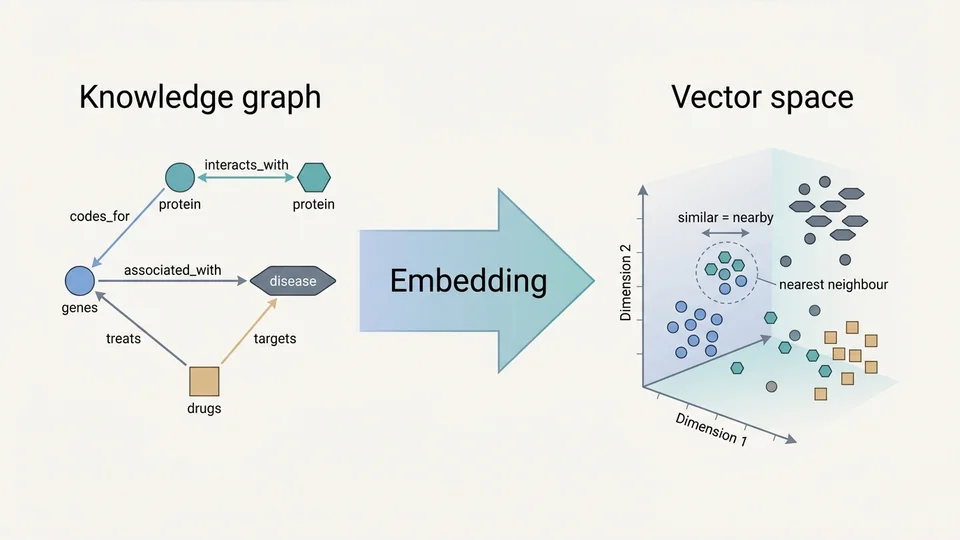
Bio2Vec: Smart analytics infrastructure for the life sciences Mon, Jan 1 2018 - Thu, Dec 31 2020 Applied Ontology Neuro-Symbolic AI Semantic similarity By the mid-2010s the life sciences had produced an extraordinary investment in machine-readable knowledge: biomedical ontologies were used throughout biology to annotate data, and large RDF knowledge graphs such as Bio2RDF aggregated billions of statements from dozens of major databases. At the same time, large personal genomic datasets, the UK 100,000 Genomes project, UK Biobank, and the Saudi Human Genome Program, were coming online, and translating these into clinical insight depended on integrating them with that existing background knowledge. Generic knowledge-graph machine learning
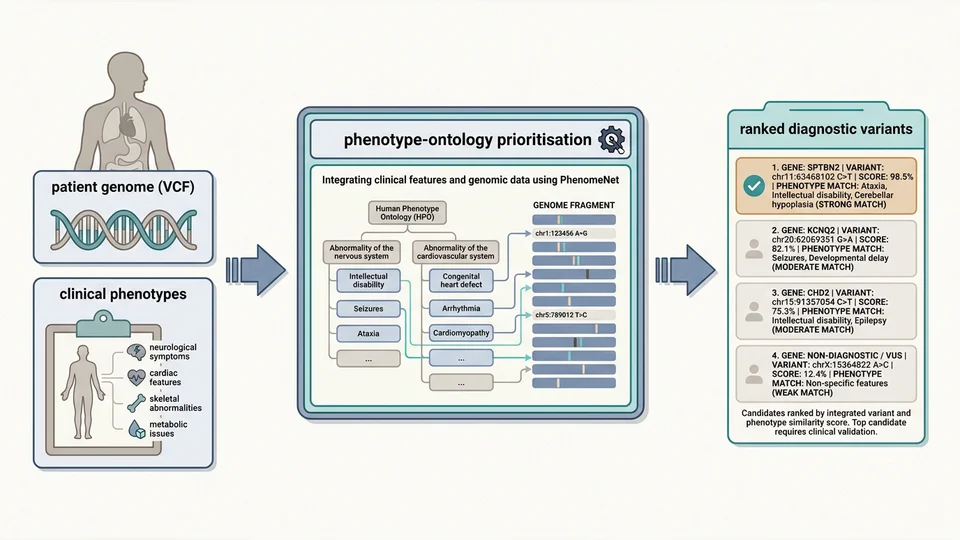
Improvement of genetic variant prioritization technology Mon, Jan 1 2018 - Tue, Dec 31 2019 Applied Ontology Neuro-Symbolic AI Rare disease By 2018 the PhenomeNET Variant Predictor (PVP) had been validated as a research tool for prioritizing causative variants in Mendelian disease, and a clear question had emerged: could the same phenotype-driven, knowledge-graph-based machinery be retargeted to cancer, where the variant landscape is somatic, heterogeneous, and dominated by combinations of driver and passenger mutations rather than single pathogenic alleles? This one-year KAUST Center Partnership Fund project (2018–2019, OSR-2018-CPF-3657-0; with Schofield in Cambridge, Gkoutos in Birmingham, and Bajic at KAUST) was the
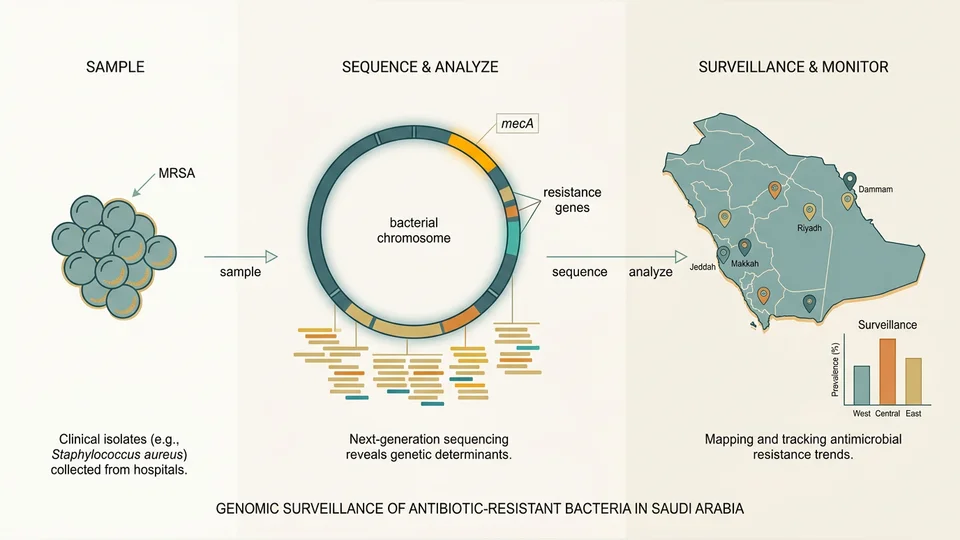
Sequencing and computational analysis of MRSA samples Mon, Jan 1 2018 - Fri, Dec 31 2021 genomics Microbial communities Methicillin-resistant Staphylococcus aureus (MRSA) is a leading cause of hospital-acquired infection worldwide, and Saudi Arabia presents a singular epidemiological setting: the Kingdom hosts more than two million Hajj pilgrims and over twenty million Umrah pilgrims annually, drawn from every region of the Muslim world. Mass gatherings of this scale offer a natural experiment in how human mobility shapes bacterial population structure and the dissemination of antimicrobial resistance, but until recently nationally representative genomic data have been lacking. The project was carried out as a
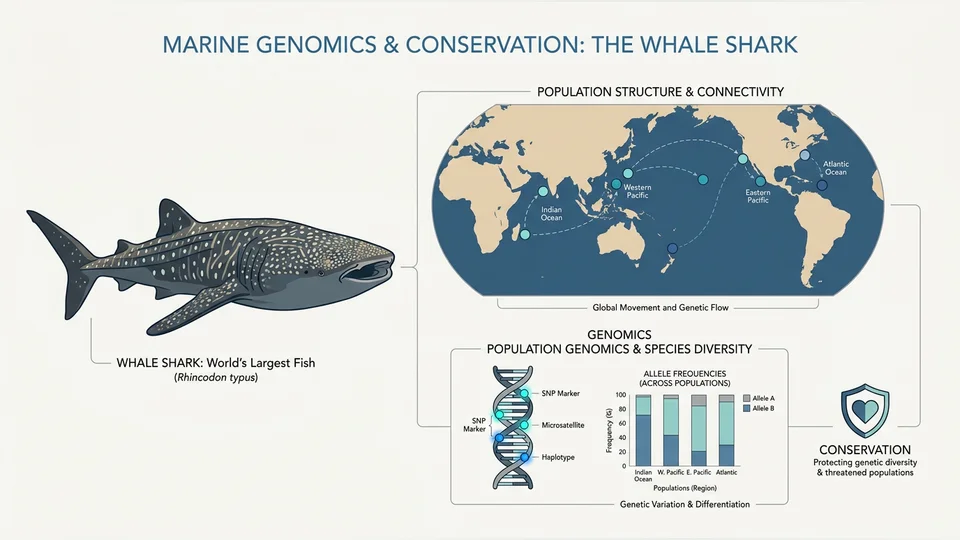
The Whale Shark 100: Applying Population Genomics to Understand Mysteries of the World's Largest Fish Mon, Jan 1 2018 - Thu, Dec 31 2020 genomics This 2018–2020 KAUST Competitive Research Grant, led by Takashi Gojobori with Michael Berumen (KAUST Red Sea Research Center) and Robert Hoehndorf as co-investigators, used population genomics to address basic questions about Rhincodon typus, the largest extant fish. Whale sharks are globally distributed, highly mobile, and listed as endangered, and the Red Sea hosts a regular aggregation off the Saudi coast that is accessible to the KAUST marine science program. Despite their charisma, fundamental aspects of their population structure, connectivity between aggregations, and effective
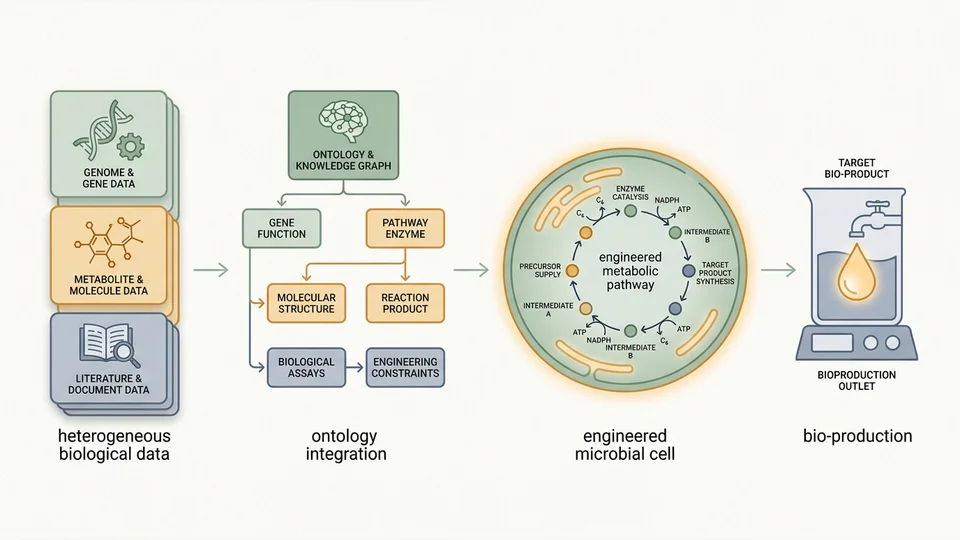
Data integration and ontologies for microbial cell factories Fri, Jan 1 2016 - Mon, Dec 31 2018 Applied Ontology Drug mechanisms Microbial communities Neuro-Symbolic AI Industrial biotechnology depends on integrating data from sources that were never designed to be combined: enzyme and reaction databases, protein-family resources, pathway maps, strain collections, phenotypic screens, and the experimental literature itself. Each uses different identifiers, different vocabularies, and different levels of granularity, and naive integration produces brittle pipelines that break whenever a source is updated. The Microbial Cell Factories initiative at KAUST's Computational Bioscience Research Center (CBRC, now dissolved), led by Vladimir Bajic with Hoehndorf as CoI