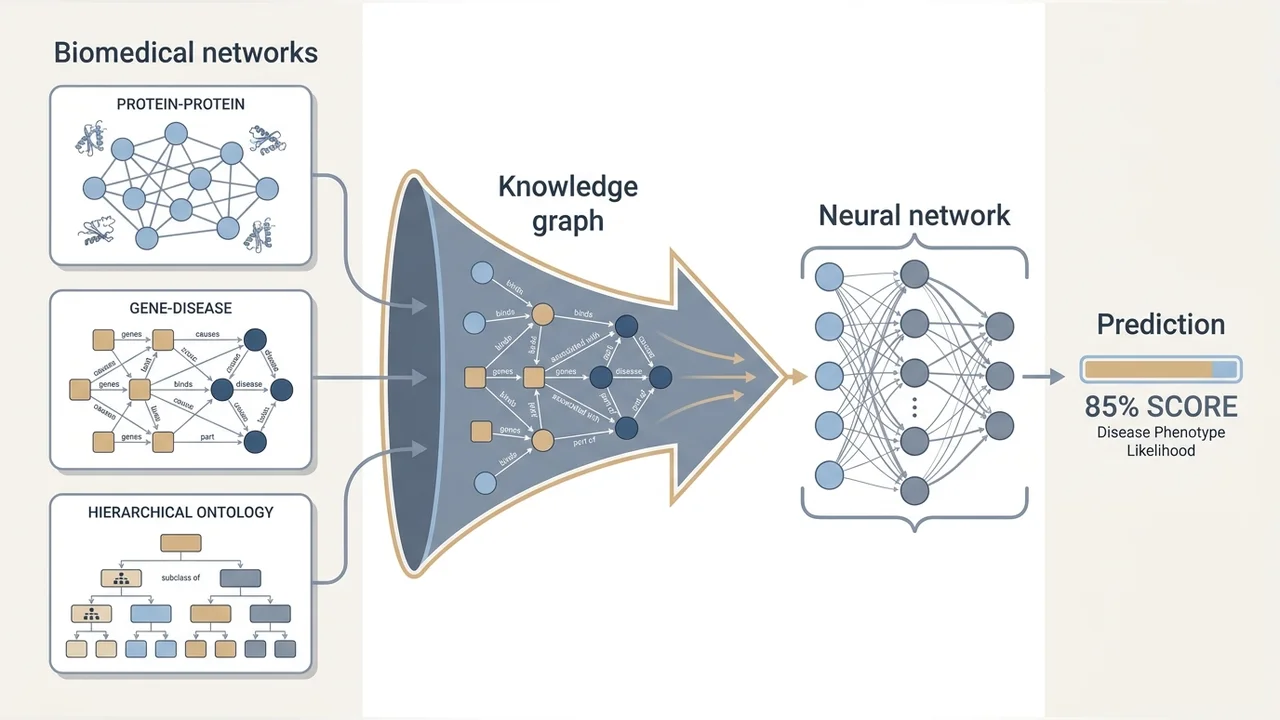
INDIGENA: inductive prediction of disease–gene associations using phenotype ontologies Biomedical Informatics Neuro-Symbolic AI Rare disease Year: 2026 Venue: Bioinformatics Authors: Fernando Zhapa-Camacho, Robert Hoehndorf DOI: 10.1093/bioinformatics/btag325 Abstract MOTIVATION: Predicting gene-disease associations (GDAs) can be framed as a ranking problem where genes are ranked for a query disease based on features such as phenotypic similarity. By describing phenotypes using phenotype ontologies, ontology-based semantic similarity measures can be used. However, traditional semantic similarity measures use only the ontology taxonomy. Recent methods based on ontology embeddings compare phenotypes in latent space; these methods can
Phenotype-driven discovery of digenic variants in personal genome sequences Rare disease genomics Phenotype informatics Year: 2017 Venue: Proceedings of VarI-SIG Authors: Imane Boudellioua, Maxat Kulmanov, Paul N Schofield, Georgios V Gkoutos, Robert Hoehndorf Abstract Identification of variants associated with inherited diseases is a major challenge, in particular in the analysis of clinical sequence data from individual patients. An increasing number of Mendelian diseases have been identified in which two or more variants in multiple genes are required to cause the disease, or significantly modify its severity or phenotype. It is difficult to discover such interactions using existing approaches. Information
Integrating phenotype ontologies with PhenomeNET Rare disease Phenotype informatics Year: 2016 Venue: Proceedings of Ontology Matching Workshop 2016 Authors: Miguel Rodriguez-Garcia, Georgios V. Gkoutos, Paul N. Schofield, Robert Hoehndorf Abstract PhenomeNET is a system for disease gene prioritization that includes as one of its components an ontology designed to integrate phenotype ontologies. While not applicable to matching arbitrary ontologies, PhenomeNET can be used to identify related phenotypes in different species, including human, mouse, zebrafish, nematode worm, fruit fly, and yeast. Here, we apply the PhenomeNET to identify related classes from four phenotype and
EMC10 homozygous variant identified in a family with global developmental delay, mild intellectual disability, and speech delay Rare disease genomics Year: 2020 Venue: Clinical Genetics Authors: Muhammad Umair, Mariam Ballow, Abdulaziz Asiri, Yusra Alyafee, Abeer Tuwaijri, Kheloud M. Alhamoudi, Taghrid Aloraini, Marwa Abdelhakim, Azza Thamer Althagafi, Senay Kafkas, Lamia Alsubaie, Muhammad Talal Alrifai, Robert Hoehndorf, Ahmed Alfares, Majid Alfadhel DOI: 10.1111/cge.13842 Abstract In recent years, several genes have been implicated in the variable disease presentation of global developmental delay (GDD) and intellectual disability (ID). The endoplasmic reticulum membrane protein complex (EMC) family is known to be involved in GDD and ID
Causal relationships between diseases mined from the literature improve the use of polygenic risk scores Biomedical Informatics Rare disease Year: 2024 Venue: Bioinformatics Authors: Sumyyah Toonsi, Iris Ivy Gauran, Hernando Ombao, Paul N Schofield, Robert Hoehndorf DOI: 10.1093/bioinformatics/btae639 Abstract The data are available through https://github.com/bio-ontology-research-group/causal-relations-between-diseases. Topics Biomedical informatics · Rare disease
Critical assessment of variant prioritization methods for rare disease diagnosis within the rare genomes project Rare disease genomics Year: 2024 Venue: Human Genomics Authors: Sarah L. Stenton, Melanie C. O’Leary, Gabrielle Lemire, Grace E. VanNoy, Stephanie DiTroia, Vijay S. Ganesh, Emily Groopman, Emily O’Heir, Brian Mangilog, Ikeoluwa Osei-Owusu, Lynn S. Pais, Jillian Serrano, Moriel Singer-Berk, Ben Weisburd, Michael W. Wilson, Christina Austin-Tse, Marwa Abdelhakim, Azza Althagafi, Giulia Babbi, Riccardo Bellazzi, Samuele Bovo, Maria Giulia Carta, Rita Casadio, Pieter-Jan Coenen, Federica De Paoli, Matteo Floris, Manavalan Gajapathy, Robert Hoehndorf, Julius O. B. Jacobsen, Thomas Joseph, Akash Kamandula, Panagiotis
Semantic Disease Gene Embeddings (SmuDGE): phenotype-based disease gene prioritization without phenotypes Neuro-Symbolic AI Rare disease Year: 2018 Venue: Bioinformatics Authors: Mona Alshahrani, Robert Hoehndorf Abstract Motivation: In the past years, several methods have been developed to incorporate information about phenotypes into computational disease gene prioritization methods. These methods commonly compute the similarity between a disease's (or patient's) phenotypes and a database of gene-to-phenotype associations to find the phenotypically most similar match. A key limitation of these methods is their reliance on knowledge about phenotypes associated with particular genes which is highly incomplete in humans as well
Semantic prioritization of novel causative genomic variants Rare disease Semantic similarity Year: 2017 Venue: PLOS Computational Biology Authors: Imane Boudellioua, Rozaimi B. Mahamad Razali, Maxat Kulmanov, Yasmeen Hashish, Vladimir B. Bajic, Eva Goncalves-Serra, Nadia Schoenmakers, Georgios V. Gkoutos, Paul N. Schofield, Robert Hoehndorf DOI: 10.1371/journal.pcbi.1005500 Abstract Author summary We address the problem of how to distinguish which of the many thousands of DNA sequence variants carried by an individual with a rare disease is responsible for the disease phenotypes. This can help clinicians arrive at a diagnosis, but also can be instrumental in improving our
PathoPhenoDB: linking human pathogens to their disease phenotypes in support of infectious disease research Biomedical Informatics Rare disease Year: 2019 Venue: Scientific Data Authors: Senay Kafkas, Marwa Abdelhakim, Yasmeen Hashish, Maxat Kulmanov, Marwa Abdellatif, Paul N Schofield, Robert Hoehndorf DOI: 10.1101/489971 Abstract Understanding the relationship between the pathophysiology of infectious disease, the biology of the causative agent and the development of therapeutic and diagnostic approaches is dependent on the synthesis of a wide range of types of information. Provision of a comprehensive and integrated disease phenotype knowledgebase has the potential to provide novel and orthogonal sources of information for the
OligoPVP: Phenotype-driven analysis of individual genomic information to prioritize oligogenic disease variants Rare disease genomics Year: 2018 Venue: Scientific Reports Authors: Imane Boudellioua, Maxat Kulmanov, Paul N Schofield, Georgios V Gkoutos, Robert Hoehndorf Abstract Purpose: An increasing number of Mendelian disorders have been identified for which two or more variants in one or more genes are required to cause the disease, or significantly modify its severity or phenotype. It is difficult to discover such interactions using existing approaches. The purpose of our work is to develop and evaluate a system that can identify combinations of variants underlying oligogenic diseases in individual whole exome or whole
Genomic landscape of retinoblastoma: Insights into risk stratification and precision pediatric Neuro-Oncology genomics Rare disease Year: 2025 Venue: Neuro-Oncology Pediatrics Authors: Azza Maktabi, Yang Liu, Saleh Almesfer, Marwa Abdelhakim, Hind Aldakhil, Maxat Kulmanov, Deepak P Edward, Robert Hoehndorf, Malak Abedalthagafi DOI: 10.1093/neuped/wuaf017 Abstract Abstract Background Retinoblastoma is the most common intraocular malignancy of childhood, yet its genomic landscape remains incompletely defined, particularly in understudied populations. Beyond RB1 loss, the contribution of additional somatic and germline alterations to disease heterogeneity and clinical behavior is unclear. Methods We performed whole-exome
The application of Large Language Models to the phenotype-based prioritization of causative genes in rare disease patients Rare disease Biomedical Informatics Year: 2025 Venue: Scientific Reports Authors: Senay Kafkas, Marwa Abdelhakim, Azza Althagafi, Sumyyah Toonsi, Malak Alghamdi, Paul N. Schofield, Robert Hoehndorf DOI: 10.1038/s41598-025-99539-y Abstract Computational methods for identifying gene-disease associations can use both genomic and phenotypic information to prioritize genes and variants that may be associated with genetic diseases. Phenotype-based methods commonly rely on comparing phenotypes observed in a patient with databases of genotype-to-phenotype associations using measures of semantic similarity. They are constrained by the
Starvar: symptom-based tool for automatic ranking of variants using evidence from literature and genomes Rare disease Biomedical Informatics Year: 2023 Venue: BMC Bioinformatics Authors: Senay Kafkas, Marwa Abdelhakim, Mahmut Uludag, Azza Althagafi, Malak Alghamdi, Robert Hoehndorf DOI: 10.1186/s12859-023-05406-w Abstract Abstract Background Identifying variants associated with diseases is a challenging task in medical genetics research. Current studies that prioritize variants within individual genomes generally rely on known variants, evidence from literature and genomes, and patient symptoms and clinical signs. The functionalities of the existing tools, which rank variants based on given patient symptoms and clinical signs, are
Analysis of the human diseasome using phenotype similarity between common, genetic, and infectious diseases Rare disease Semantic similarity Year: 2015 Venue: Scientific Reports Authors: Robert Hoehndorf, Paul N Schofield, Georgios V Gkoutos Abstract Phenotypes are the observable characteristics of an organism arising from its response to the environment. Phenotypes associated with engineered and natural genetic variation are widely recorded using phenotype ontologies in model organisms, as are signs and symptoms of human Mendelian diseases in databases such as OMIM and Orphanet. Exploiting these resources, several computational methods have been developed for integration and analysis of phenotype data to identify the genetic
Similarity-based search of model organism, disease and drug effect phenotypes Semantic similarity Rare disease Drug mechanisms Year: 2015 Venue: Journal of Biomedical Semantics Authors: Robert Hoehndorf, Michael Gruenberger, Georgios Gkoutos, Paul Schofield DOI: 10.1186/s13326-015-0001-9 Abstract BACKGROUND:Semantic similarity measures over phenotype ontologies have been demonstrated to provide a powerful approach for the analysis of model organism phenotypes, the discovery of animal models of human disease, novel pathways, gene functions, druggable therapeutic targets, and determination of pathogenicity.RESULTS:We have developed PhenomeNET 2, a system that enables similarity-based searches over a large repository of
DeepPVP: phenotype-based prioritization of causative variants using deep learning Rare disease Neuro-Symbolic AI Year: 2019 Venue: BMC Bioinformatics Authors: Imane Boudellioua, Maxat Kulmanov, Paul N Schofield, Georgios V Gkoutos, Robert Hoehndorf Abstract Background: Prioritization of variants in personal genomic data is a major challenge. Recently, computational methods that rely on comparing phenotype similarity have shown to be useful to identify causative variants. In these methods, pathogenicity prediction is combined with a semantic similarity measure to prioritize not only variants that are likely to be dysfunctional but those that are likely involved in the pathogenesis of a patient{
Ontology based text mining of gene-phenotype associations: application to candidate gene prediction Biomedical Informatics Rare disease Year: 2019 Venue: Database Authors: Senay Kafkas, Robert Hoehndorf Abstract Gene–phenotype associations play an important role in understanding the disease mechanisms which is a requirement for treatment development. A portion of gene–phenotype associations are observed mainly experimentally and made publicly available through several standard resources such as MGI. However, there is still a vast amount of gene–phenotype associations buried in the biomedical literature. Given the large amount of literature data, we need automated text mining tools to alleviate the burden in manual curation of
Predicting candidate genes from phenotypes, functions and anatomical site of expression Rare disease Biomedical Informatics Year: 2021 Venue: Bioinformatics Authors: Jun Chen, Azza Althagafi, Robert Hoehndorf DOI: 10.1093/bioinformatics/btaa879 Abstract Supplementary data are available at Bioinformatics online. Topics Rare disease · Biomedical informatics
CAGI6 ID panel challenge: assessment of phenotype and variant predictions in 415 children with neurodevelopmental disorders (NDDs) Rare disease Phenotype informatics Year: 2025 Venue: Human Genetics Authors: Maria Cristina Aspromonte, Alessio Del Conte, Shaowen Zhu, Wuwei Tan, Yang Shen, Yexian Zhang, Qi Li, Maggie Haitian Wang, Giulia Babbi, Samuele Bovo, Pier Luigi Martelli, Rita Casadio, Azza Althagafi, Sumyyah Toonsi, Maxat Kulmanov, Robert Hoehndorf, Panagiotis Katsonis, Amanda Williams, Olivier Lichtarge, Su Xian, Wesley Surento, Vikas Pejaver, Sean D. Mooney, Uma Sunderam, Rajgopal Srinivasan, Alessandra Murgia, Damiano Piovesan, Silvio C. E. Tosatto, Emanuela Leonardi DOI: 10.1007/s00439-024-02722-w Abstract Abstract The Genetics of
Prioritizing genomic variants through neuro-symbolic, knowledge-enhanced learning Rare disease Neuro-Symbolic AI Year: 2024 Venue: Bioinformatics Authors: Azza Althagafi, Fernando Zhapa-Camacho, Robert Hoehndorf DOI: 10.1093/bioinformatics/btae301 Abstract EmbedPVP and all evaluation experiments are freely available at https://github.com/bio-ontology-research-group/EmbedPVP. Topics Rare disease · Neuro-symbolic AI
DeepSVP: integration of genotype and phenotype for structural variant prioritization using deep learning Rare disease genomics Year: 2022 Venue: Bioinformatics Authors: Azza Althagafi, Lamia Alsubaie, Nagarajan Kathiresan, Katsuhiko Mineta, Taghrid Aloraini, Fuad Al Mutairi, Majid Alfadhel, Takashi Gojobori, Ahmad Alfares, Robert Hoehndorf DOI: 10.1093/bioinformatics/btab859 Abstract Supplementary data are available at Bioinformatics online. Topics Rare disease · Genomics
Contribution of model organism phenotypes to the computational identification of human disease genes Rare disease Phenotype informatics Semantic similarity Year: 2022 Venue: Disease Models & Mechanisms Authors: Sarah Alghamdi, Paul N. Schofield, Robert Hoehndorf DOI: 10.1242/dmm.049441 Abstract Computing phenotypic similarity helps identify new disease genes and diagnose rare diseases. Genotype-phenotype data from orthologous genes in model organisms can compensate for lack of human data and increase genome coverage. In the past decade, cross-species phenotype comparisons have proven valuble, and several ontologies have been developed for this purpose. The relative contribution of different model organisms to computational identification of
What is the right sequencing approach? Solo VS extended family analysis in consanguineous populations genomics Rare disease Year: 2020 Venue: BMC Medical Genomics Authors: Ahmed Alfares, Lamia Alsubaie, Taghrid Aloraini, Aljoharah Alaskar, Azza Althagafi, Ahmed Alahmad, Mamoon Rashid, Abdulrahman Alswaid, Ali Alothaim, Wafaa Eyaid, Faroug Ababneh, Mohammed Albalwi, Raniah Alotaibi, Mashael Almutairi, Nouf Altharawi, Alhanouf Alsamer, Marwa Abdelhakim, Senay Kafkas, Katsuhiko Mineta, Nicole Cheung, Abdallah M. Abdallah, Stine B\"uchmann-M\oller, Yoshinori Fukasawa, Xiang Zhao, Issaac Rajan, Robert Hoehndorf, Fuad Al Mutairi, Takashi Gojobori, Majid Alfadhel DOI: 10.1186/s12920-020-00743-8 Abstract There was no
DDIEM: drug database for inborn errors of metabolism Drug mechanisms Rare disease Year: 2020 Venue: Orphanet Journal of Rare Diseases Authors: Marwa Abdelhakim, Eunice McMurray, Ali Raza Syed, Senay Kafkas, Allan Anthony Kamau, Paul N Schofield, Robert Hoehndorf DOI: 10.1186/s13023-020-01428-2 Abstract Abstract Background Inborn errors of metabolism (IEM) represent a subclass of rare inherited diseases caused by a wide range of defects in metabolic enzymes or their regulation. Of over a thousand characterized IEMs, only about half are understood at the molecular level, and overall the development of treatment and management strategies has proved challenging. An overview of
DeepPheno: Predicting single gene loss-of-function phenotypes using an ontology-aware hierarchical classifier Rare disease Phenotype informatics Neuro-Symbolic AI Year: 2020 Venue: PLOS Computational Biology Authors: Maxat Kulmanov, Robert Hoehndorf DOI: 10.1371/journal.pcbi.1008453 Abstract Author summary Gene–phenotype associations can help to understand the underlying mechanisms of many genetic diseases. However, experimental identification, often involving animal models, is time consuming and expensive. Computational methods that predict gene–phenotype associations can be used instead. We developed DeepPheno, a novel approach for predicting the phenotypes resulting from a loss of function of a single gene. We use gene functions and gene expression
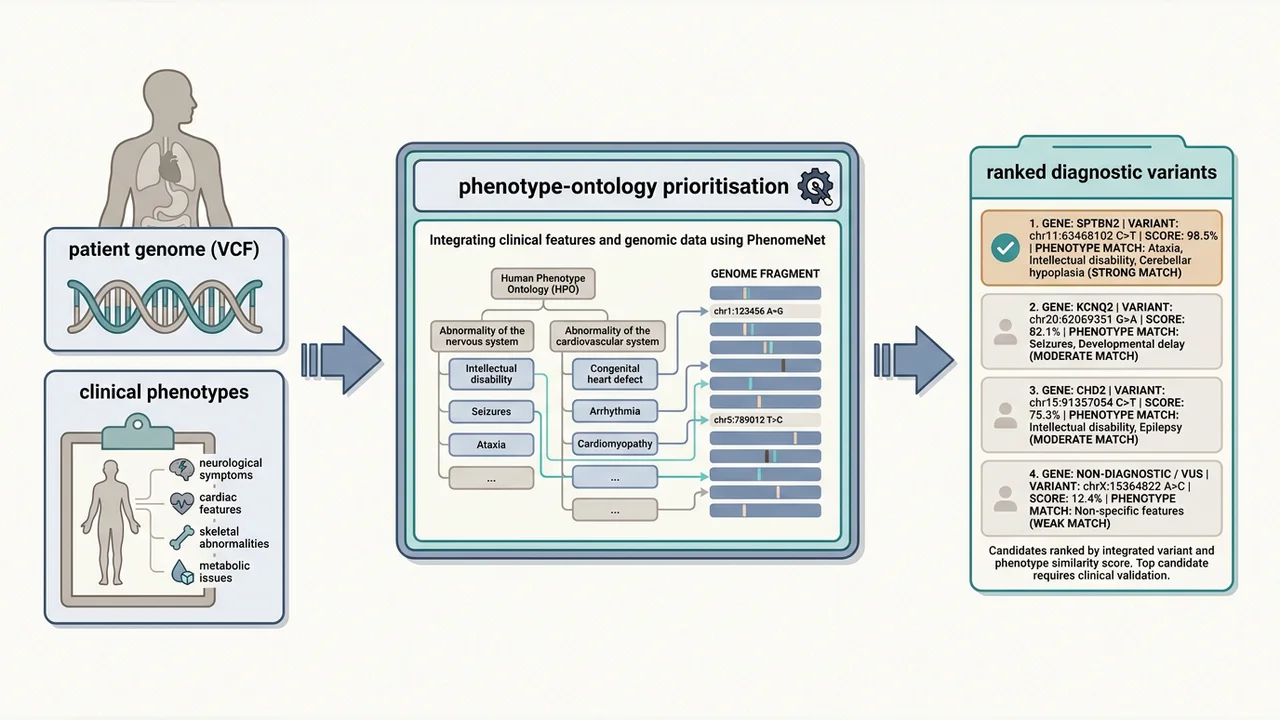
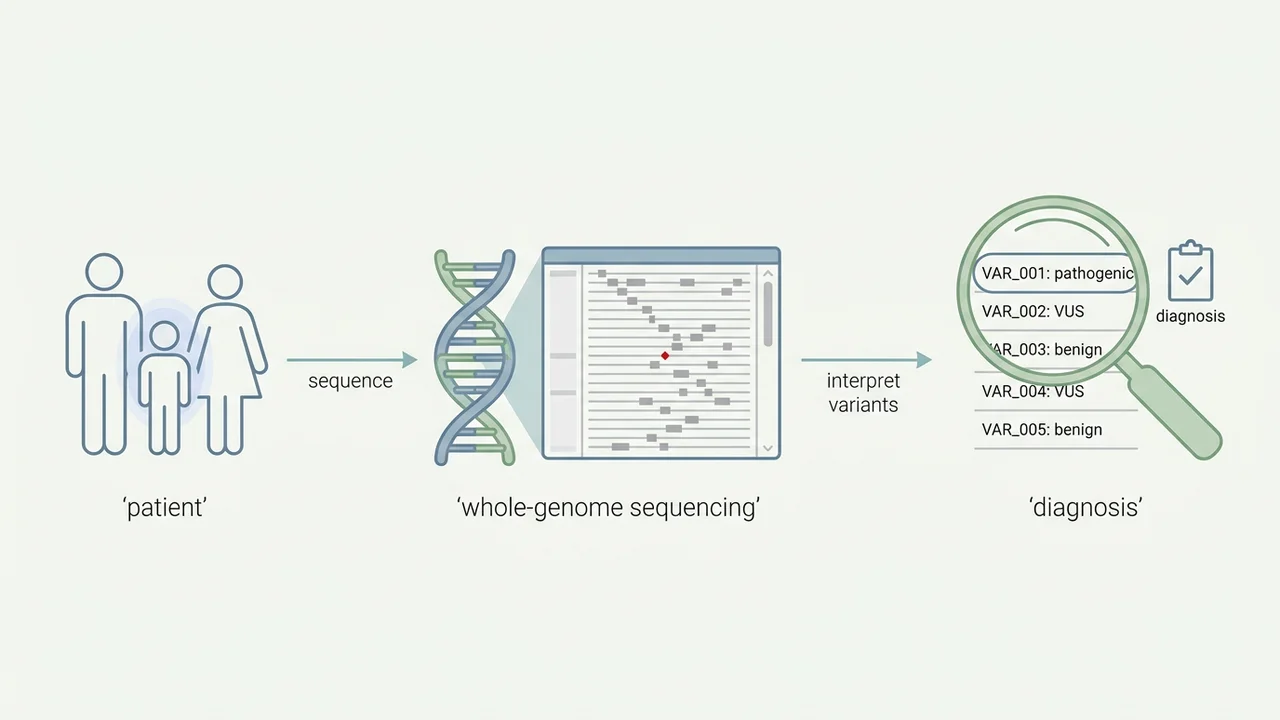
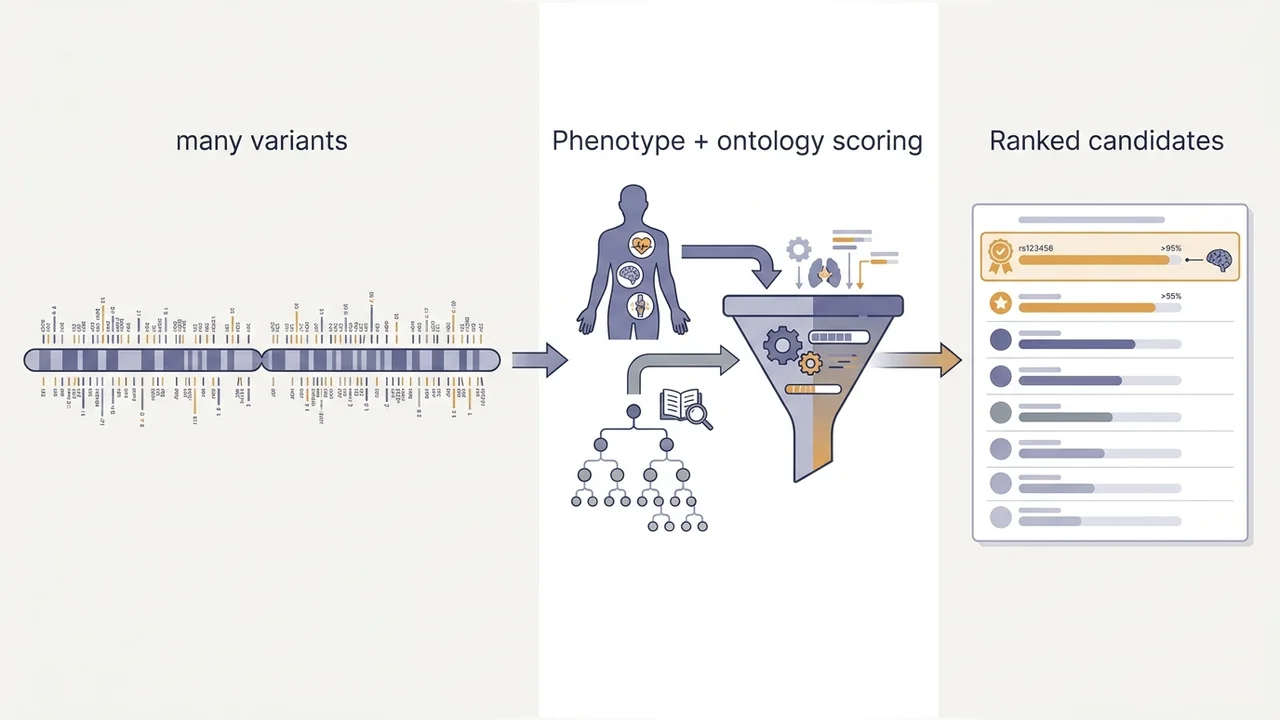
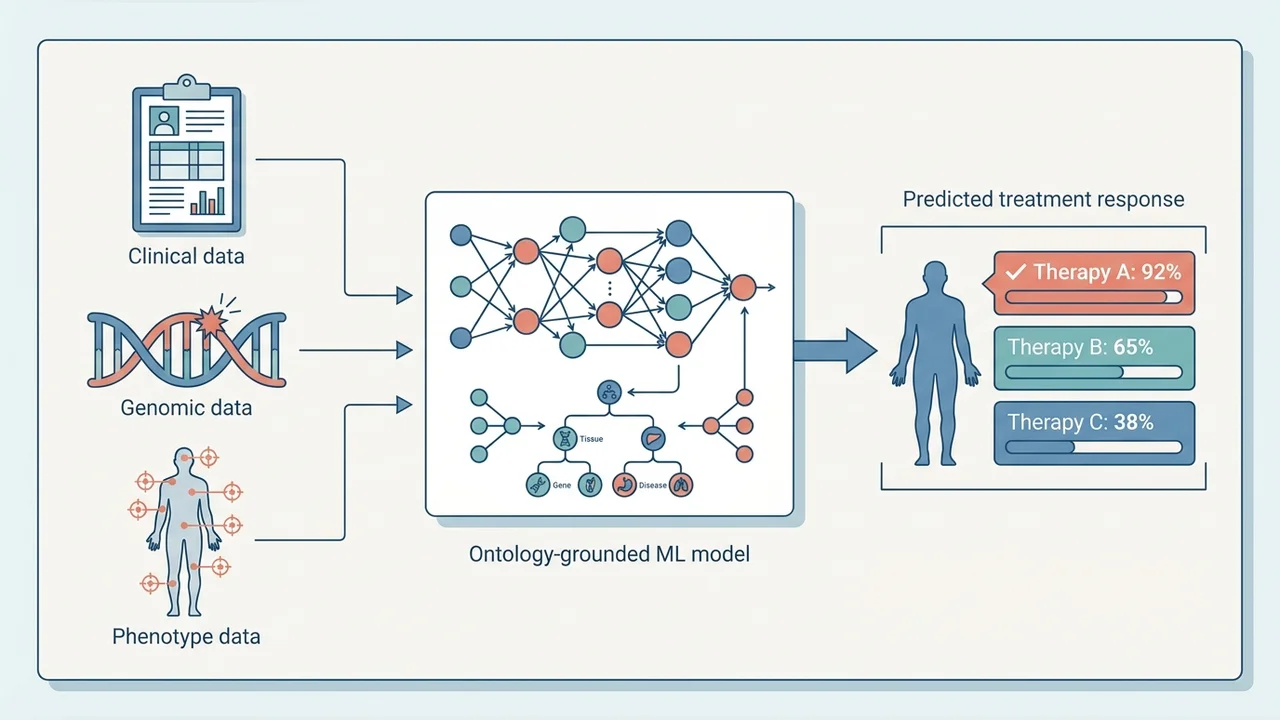
Rare disease Rare disease The diagnosis of rare and Mendelian disease has been transformed by exome and genome sequencing, but interpretation remains the bottleneck: a typical patient genome contains tens of thousands of rare variants, only one or a few of which are causative. Effective diagnostic support requires the integration of patient-specific molecular data with structured background knowledge about genes, phenotypes, and disease mechanisms. We develop methods, anchored on the PhenomeNET phenotype network and the PVP family of variant prioritization tools, that combine automated reasoning over phenotype
DeepViral Rare disease Phenotype informatics genomics Predicts virus–host protein-protein interactions from sequence and infectious-disease phenotypes; trained jointly across coronaviruses, influenza and other RNA viruses. Get it GitHub: https://github.com/bio-ontology-research-group/DeepViral ★ 12 Developed in projects CompleX: Variant Prioritization in Complex Disease Category: Variant and Disease Prioritization
predCAN Rare disease Phenotype informatics genomics Ontology-based prediction of cancer driver genes by integrating phenotype, pathway and function knowledge with somatic-variant features. Get it GitHub: https://github.com/bio-ontology-research-group/predCAN ★ 5 Developed in projects CompleX: Variant Prioritization in Complex Disease Category: Variant and Disease Prioritization
GenomeLinter Rare disease Phenotype informatics genomics AI-powered clinical decision-support tool that ingests annotated VCFs and synthesizes diagnostic interpretations for rare-disease patients without requiring deep bioinformatics expertise. Get it GitHub: https://github.com/bio-ontology-research-group/genome-linter Developed in projects Improvement of genetic variant prioritization technology Category: Variant and Disease Prioritization
INDIGENA Rare disease Phenotype informatics genomics Inductive prediction of disease–gene associations from phenotype ontologies; generalizes to unseen diseases via ontology-aware embeddings. Get it GitHub: https://github.com/bio-ontology-research-group/indigena ★ 1 Developed in projects CompleX: Variant Prioritization in Complex Disease Category: Variant and Disease Prioritization
STARVar Rare disease Phenotype informatics genomics Symptom-based tool for automatic ranking of variants using evidence from the biomedical literature and population genomes; combines text mining with phenotype matching. Get it GitHub: https://github.com/bio-ontology-research-group/STARVar ★ 7 Developed in projects CompleX: Variant Prioritization in Complex Disease Category: Variant and Disease Prioritization
EmbedPVP Rare disease Phenotype informatics genomics Embedding-based phenotype-aware variant predictor that ranks candidate causative variants using joint sequence- and phenotype-derived representations. Get it GitHub: https://github.com/bio-ontology-research-group/EmbedPVP ★ 8 Developed in projects CompleX: Variant Prioritization in Complex Disease Category: Variant and Disease Prioritization
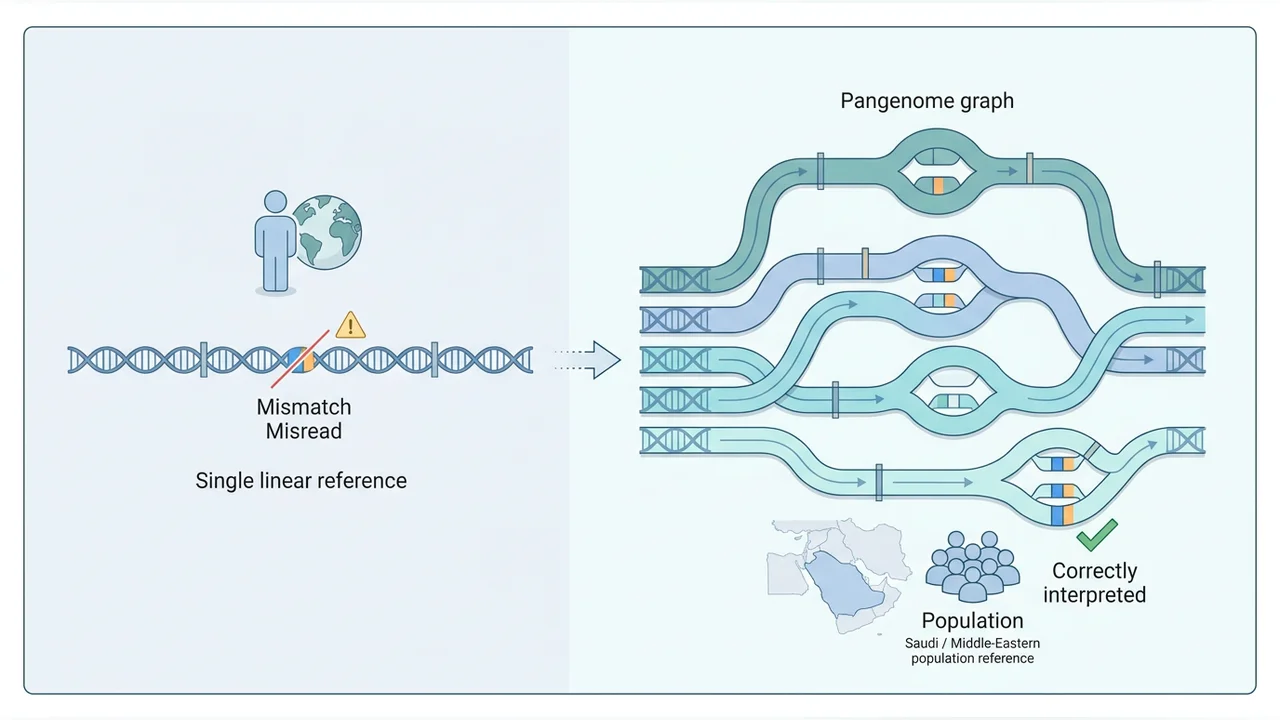
DeepSVP Rare disease Phenotype informatics genomics Prioritizes structural and copy-number variants by combining patient phenotype with gene-function similarity learned from biomedical ontologies. Get it GitHub: https://github.com/bio-ontology-research-group/DeepSVP ★ 18 Developed in projects CompleX: Variant Prioritization in Complex Disease A public Saudi pangenome as reference for genomics in the Middle East Category: Variant and Disease Prioritization
PhenomeNET-VP Rare disease Phenotype informatics genomics Phenotype-driven variant prioritization for whole-exome and whole-genome sequencing data; widely used implementation of the phenotype-aware variant ranking approach. Get it GitHub: https://github.com/bio-ontology-research-group/phenomenet-vp ★ 43 Developed in projects CompleX: Variant Prioritization in Complex Disease Sequencing and computational analysis of MRSA samples Category: Variant and Disease Prioritization