BioHackathon series in 2011 and 2012: penetration of ontology and linked data in life science domains. Applied Ontology Year: 2014 Venue: Journal of biomedical semantics Authors: Toshiaki Katayama, Mark D. Wilkinson, Kiyoko F. Aoki-Kinoshita, Shuichi Kawa\-shima, Yasunori Yamamoto, Atsuko Yamaguchi, Shinobu Okamoto, Shin Kawano, Jin-Dong Kim, Yue Wang, Hongyan Wu, Yoshinobu Kano, Hiromasa Ono, Hidemasa Bono, Simon Kocbek, Jan Aerts, Yukie Akune, Erick Antezana, Kazuharu Arakawa, Bruno Aranda, Joachim Baran, Jerven Bolleman, Raoul Jp Bonnal, Pier Luigi Buttigieg, Matthew P. Campbell, Yi-An Chen, Hirokazu Chiba, Peter Ja Cock, Kevin B. Cohen, Alexandru Constantin, Geraint Duck, Michel Dumontier, Takatomo Fujisawa
Datamining with Ontologies Biomedical Informatics Applied Ontology Year: 2016 Venue: Data Mining Techniques for the Life Sciences Authors: Robert Hoehndorf, Georgios V. Gkoutos, Paul N. Schofield DOI: 10.1007/978-1-4939-3572-7_19 Abstract The use of ontologies has increased rapidly over the past decade and they now provide a key component of most major databases in biology and biomedicine. Consequently, datamining over these databases benefits from considering the specific structure and content of ontologies, and several methods have been developed to use ontologies in datamining applications. Here, we discuss the principles of ontology structure, and
Analyzing gene expression data in mice with the Neuro Behavior Ontology Applied Ontology Biomedical Informatics Year: 2014 Venue: Mamm Genome Authors: R. Hoehndorf, J. M. Hancock, N. W. Hardy, A. M. Mallon, P. N. Schofield, G. V. Gkoutos Abstract We have applied the Neuro Behavior Ontology (NBO), an ontology for the annotation of behavioral gene functions and behavioral phenotypes, to the annotation of more than 1,000 genes in the mouse that are known to play a role in behavior. These annotations can be explored by researchers interested in genes involved in particular behaviors and used computationally to provide insights into the behavioral phenotypes resulting from differences in gene expression. We
An ontology approach to comparative phenomics in plants Applied Ontology Phenotype informatics Year: 2015 Venue: Plant Methods Authors: Anika Oellrich, Ramona Walls, Ethalinda Cannon, Steven Cannon, Laurel Cooper, Jack Gardiner, Georgios Gkoutos, Lisa Harper, Mingze He, Robert Hoehndorf, Pankaj Jaiswal, Scott Kalberer, John Lloyd, David Meinke, Naama Menda, Laura Moore, Rex Nelson, Anuradha Pujar, Carolyn Lawrence, Eva Huala DOI: 10.1186/s13007-015-0053-y Abstract BACKGROUND:Plant phenotype datasets include many different types of data, formats, and terms from specialized vocabularies. Because these datasets were designed for different audiences, they frequently contain language and
A Review of Current Standards and the Evolution of Histopathology Nomenclature for Laboratory Animals Applied Ontology Ontology engineering Year: 2018 Venue: ILAR Journal Authors: Charlotte M Keenan, Colin McKerlie, Georgios V Gkoutos, Jerrold M Ward, John P Sundberg, Mark F Cesta, Paul N Schofield, Robert Cardiff, Robert Hoehndorf, Susan A Elmore Abstract The need for international collaboration in rodent pathology has evolved since the 1970s and was initially driven by the new field of toxicologic pathology. First initiated by the World Health Organization’s International Agency for Research on Cancer for rodents, it has evolved to include pathology of the major species (rats, mice, guinea pigs, nonhuman primates, pigs, dogs
A comprehensive update on CIDO: the community-based coronavirus infectious disease ontology Applied Ontology Year: 2022 Venue: Journal of Biomedical Semantics Authors: Yongqun He, Hong Yu, Anthony Huffman, Asiyah Yu Lin, Darren A. Natale, John Beverley, Ling Zheng, Yehoshua Perl, Zhigang Wang, Yingtong Liu, Edison Ong, Yang Wang, Philip Huang, Long Tran, Jinyang Du, Zalan Shah, Easheta Shah, Roshan Desai, Hsin-hui Huang, Yujia Tian, Eric Merrell, William D. Duncan, Sivaram Arabandi, Lynn M. Schriml, Jie Zheng, Anna Maria Masci, Liwei Wang, Hongfang Liu, Fatima Zohra Smaili, Robert Hoehndorf, Zoe May Pendlington, Paola Roncaglia, Xianwei Ye, Jiangan Xie, Yi-Wei Tang, Xiaolin Yang, Suyuan Peng, Luxia
Best behaviour? Ontologies and the formal description of animal behaviour Applied Ontology Phenotype informatics Year: 2015 Venue: Mammalian Genome Authors: Georgios V Gkoutos, Robert Hoehndorf, Loukia Tsaprouni, Paul N Schofield DOI: 10.1007/s00335-015-9590-y Abstract The development of ontologies for describing animal behavior has proved to be one of the most difficult of all scientific knowledge domains. Ranging from neurological processes to human emotions the range and scope needed for such ontologies is highly challenging, but if data integration and computational tools such as automated reasoning are to be fully applied in this important area the underlying principles of these ontologies need to
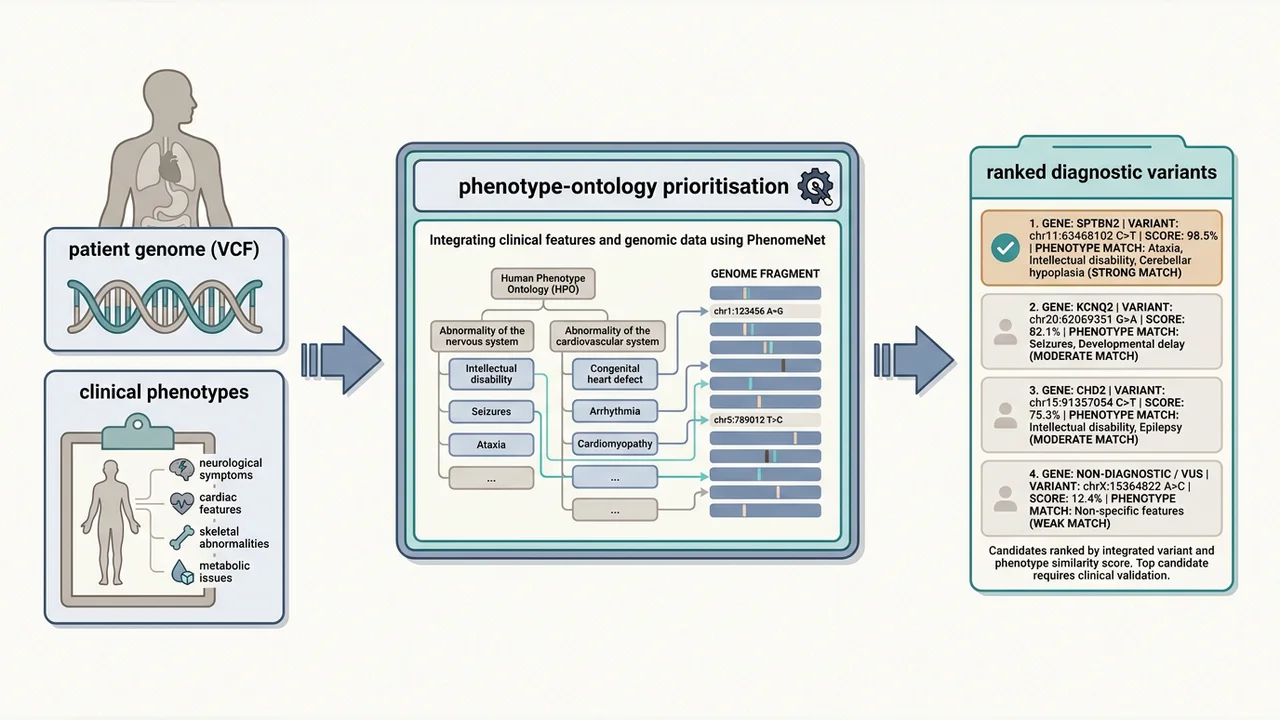
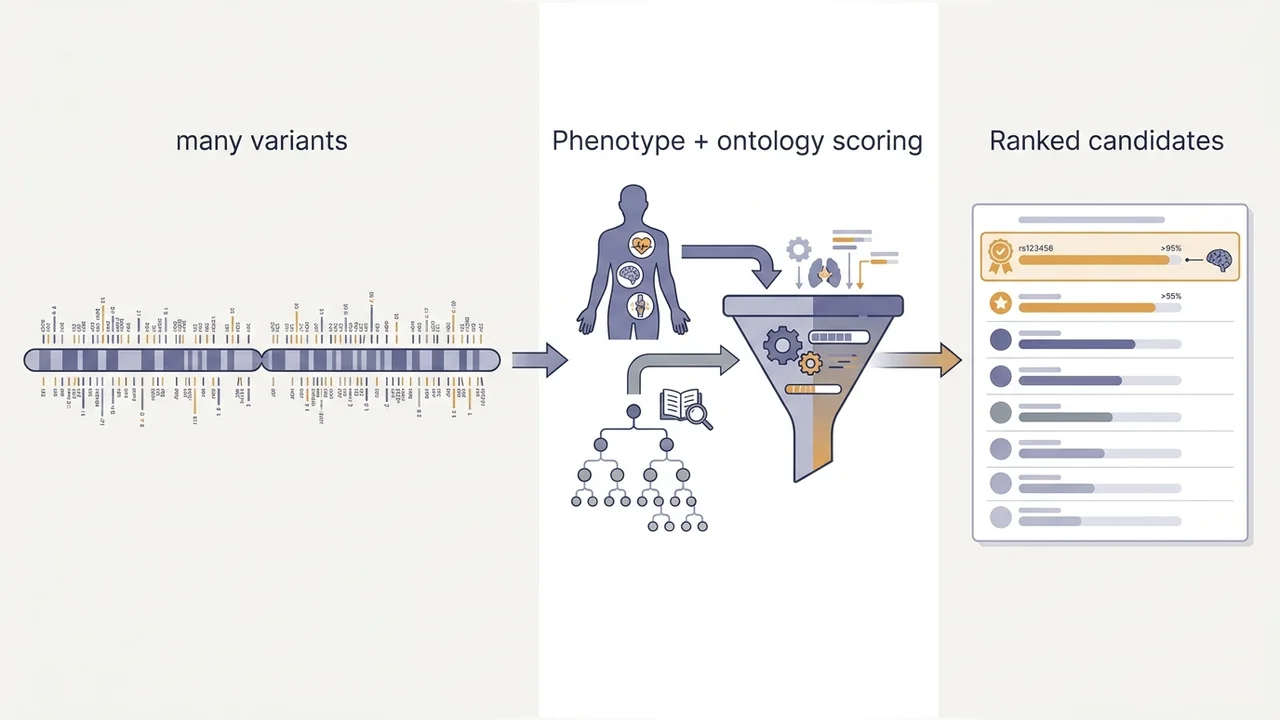
Applied Ontology Applied Ontology Applied ontology, in our group, means using formal representation to make complex phenotypes, functions, and processes amenable to computational analysis across domains. The starting point is the standardization and curation of biological knowledge using ontologies built with explicit logical commitments, and the long-term goal is to produce representations that support both human curators and automated reasoners. Earlier work in this line concentrated on foundational ontologies, including the General Formal Ontology (GFO) and its biological extension GFO-Bio, and on a formal ontology of
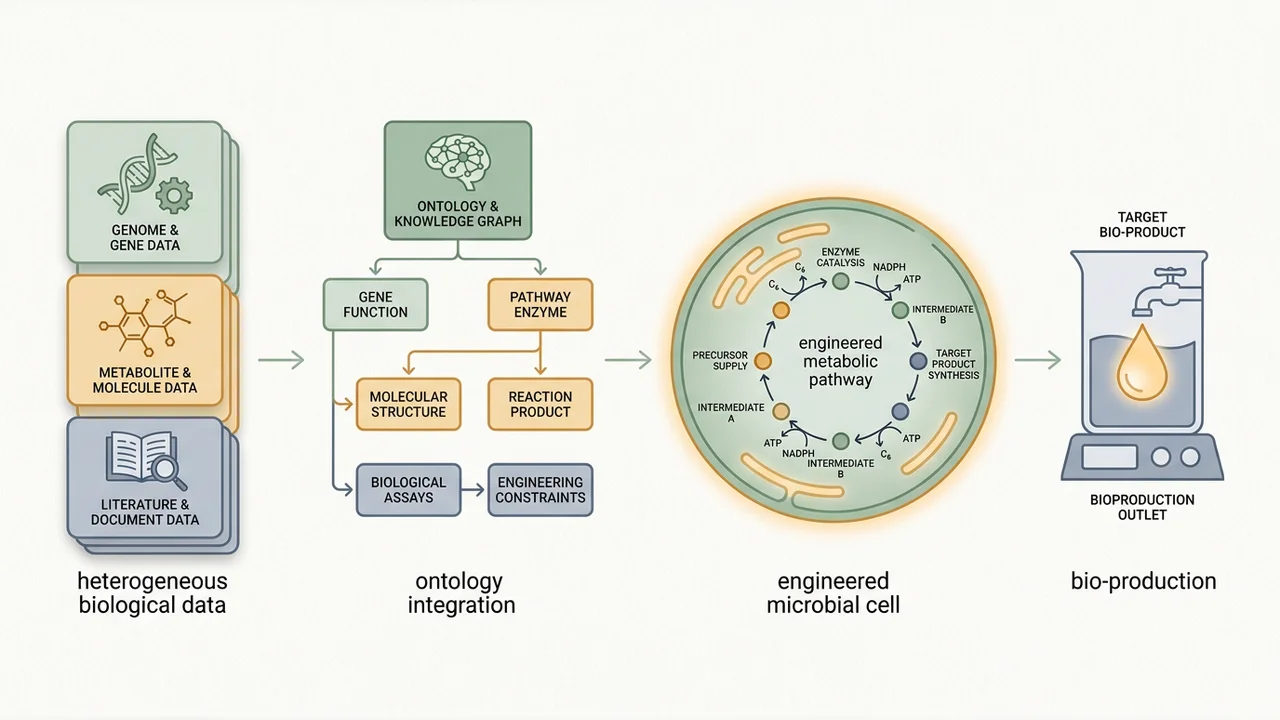
AberOWL Applied Ontology Ontology engineering Ontology repository delivering OWL EL reasoning as a service: stores hundreds of bio-ontologies, exposes SPARQL with class-expression query expansion and powers semantic search over PubMed/PMC. Get it GitHub: https://github.com/bio-ontology-research-group/AberOWL ★ 10 Homepage: http://aber-owl.net Developed in projects Data integration and ontologies for microbial cell factories Category: Ontology Reasoning & Tooling
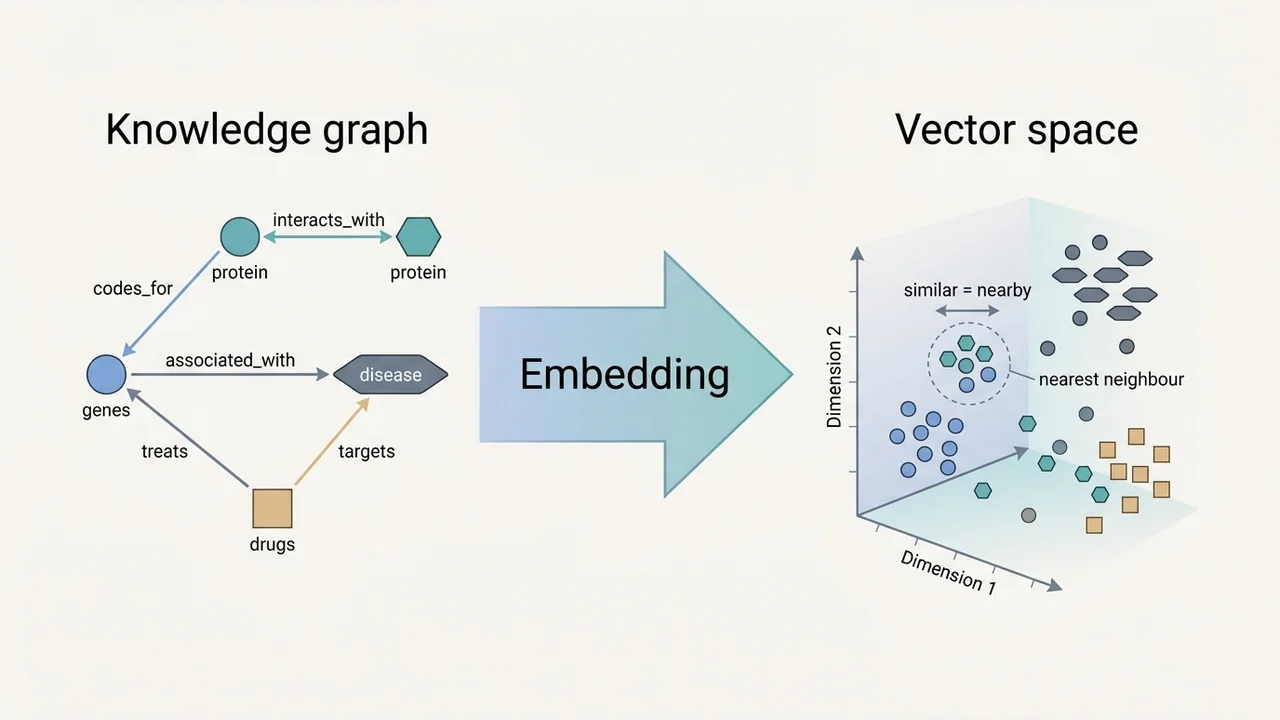
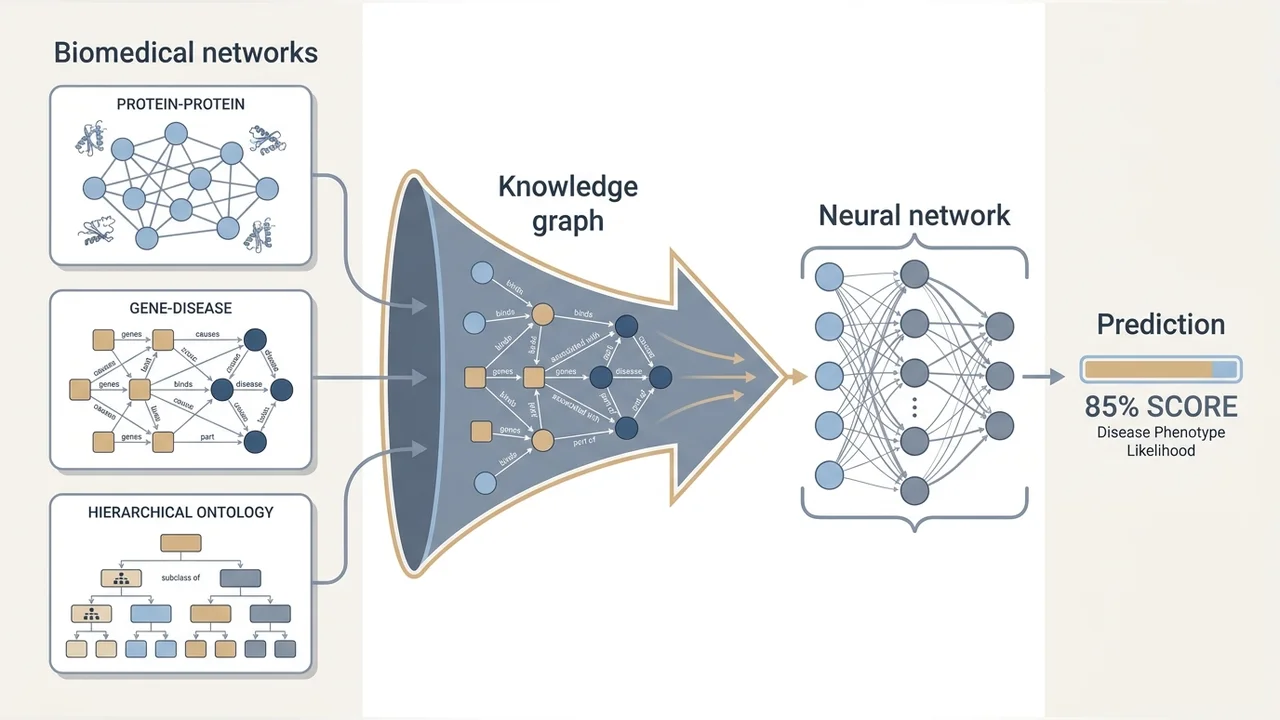
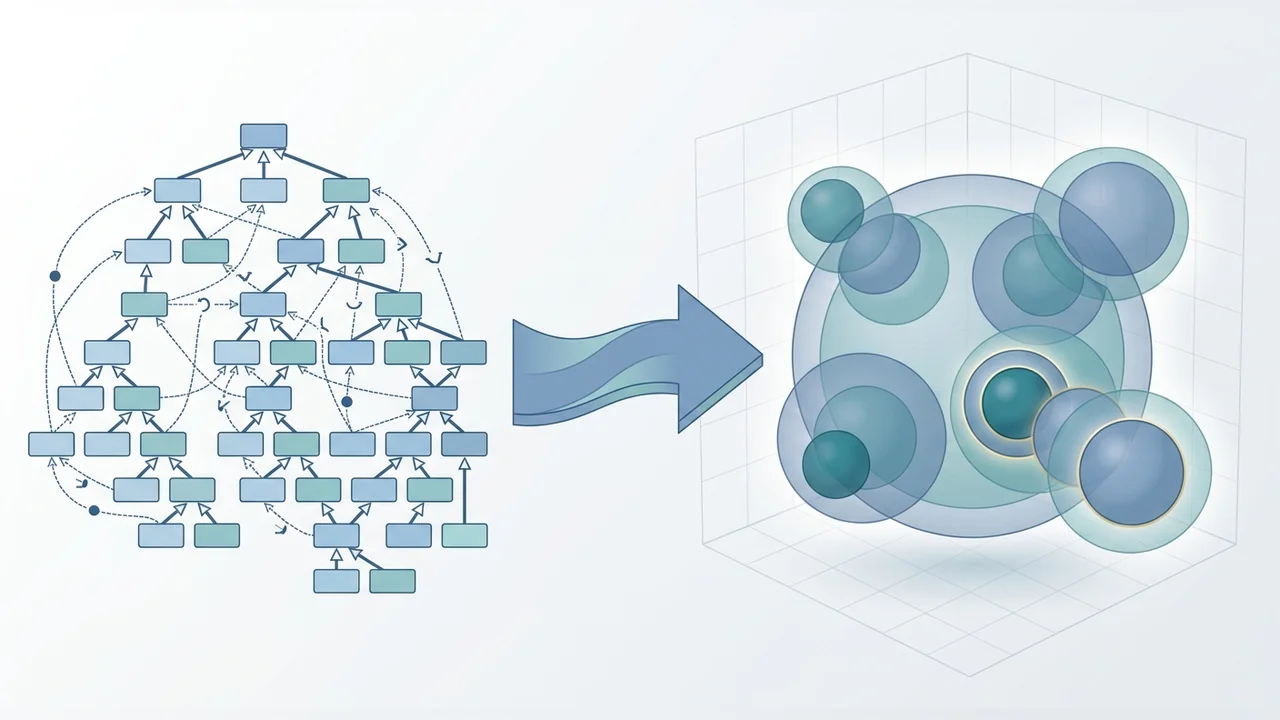
catE Neuro-Symbolic AI Ontology engineering Applied Ontology Category-theoretic, lattice-preserving embedding of ALC description-logic ontologies that retains the consequence-closure semantics of the original theory. Get it GitHub: https://github.com/bio-ontology-research-group/catE ★ 3 Developed in projects IBNSINA-QI: Integrating Biomedical Networks and Semantic Information for Neural network Analysis of Quantitative Information Category: Ontology Embedding & Machine Learning