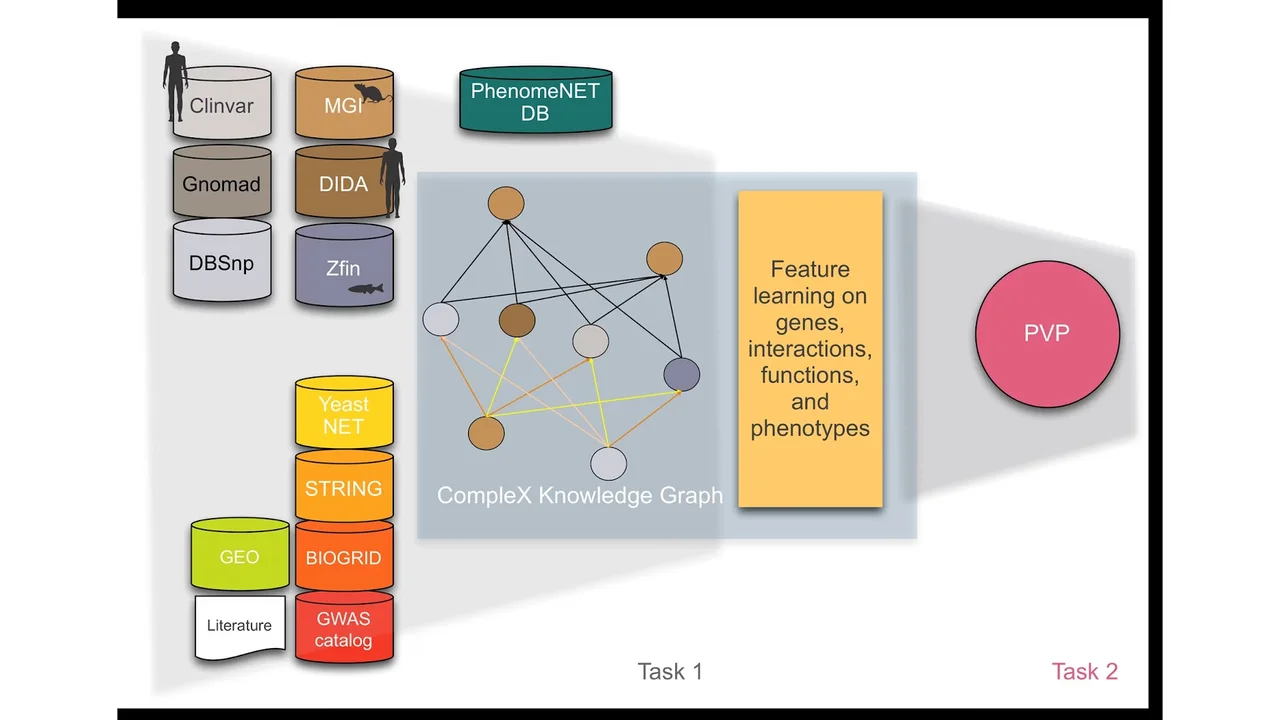
BORG Current Research List Research KAUST CEMSE BORG Research Complex Variant prioritization CompleX: Variant prioritization in complex disease Phenotype-based methods have repeatedly shown to be highly effective in identifying causative variants in whole genome or whole exome sequences. The main limitation of phenotype-based methods, however, is the limited availability of characterised genotype-phenotype associations. Model organism phenotypes have in the past been used to supplement genotype–phenotype associations observed in humans and were demonstrated to predict disease genes. Nevertheless, in almost all cases, genotypes
Data Research Name Description Publication AberOWL Ontology repository and reasoning-as-a-service Hoehndorf, R., Slater, L., Schofield, P. N., & Gkoutos, G. V. (2015). Aber-OWL: a framework for ontology-based data access in biology. BMC Bioinformatics, 16(1). https://doi.org/10.1186/s12859-015-0456-9 PhenomeNET Cross-species phenotype ontology and similarity computation Hoehndorf, R., Schofield, P. N., & Gkoutos, G. V. (2011). PhenomeNET: a whole-phenome approach to disease gene discovery. Nucleic Acids Research, 39(18), e119–e119. https://doi.org/10.1093/nar/gkr538 PathoPhenoDB Database of pathogen-to
Documents Research July 2022 issue of Disease Models and Mechanisms Journal KAUST Discovery Issue 4 KAUST Discovery Issue 1 Beacon 2015 Beacon 2014
Neuro-symbolic systems Research Details Technological breakthroughs in biological and biomedical research have led to the generation of a large amount of data in many areas. Utilizing this data for improving human life is nevertheless a challenge due to the inherent heterogeneity in the data, the complexity, and the large data size. The early promises of the success of next-generation sequencing in biomedicine have fallen short because it proved challenging to interpret the information obtained from individuals and translate it into new discoveries that benefit human health. A key challenge in biomedicine is to understand
Ontologies Research Name Description Publication FLOPO Flora Phenotype Ontology for traits observed in flowering plants https://jbiomedsem.biomedcentral.com/articles/10.1186/s13326-016-0107-8 DermO Dermatological Disease Ontology https://jbiomedsem.biomedcentral.com/articles/10.1186/s13326-016-0085-x NBO Neuro-Behavior Ontology for behavioral processes and phenotypes https://linkinghub.elsevier.com/retrieve/pii/B978-0-12-388408-4.00004-6 PhenomeNET Cross-species phenotype ontology for human, mouse, and fish https://academic.oup.com/nar/article/39/18/e119/1092588 PATO Ontology of qualities
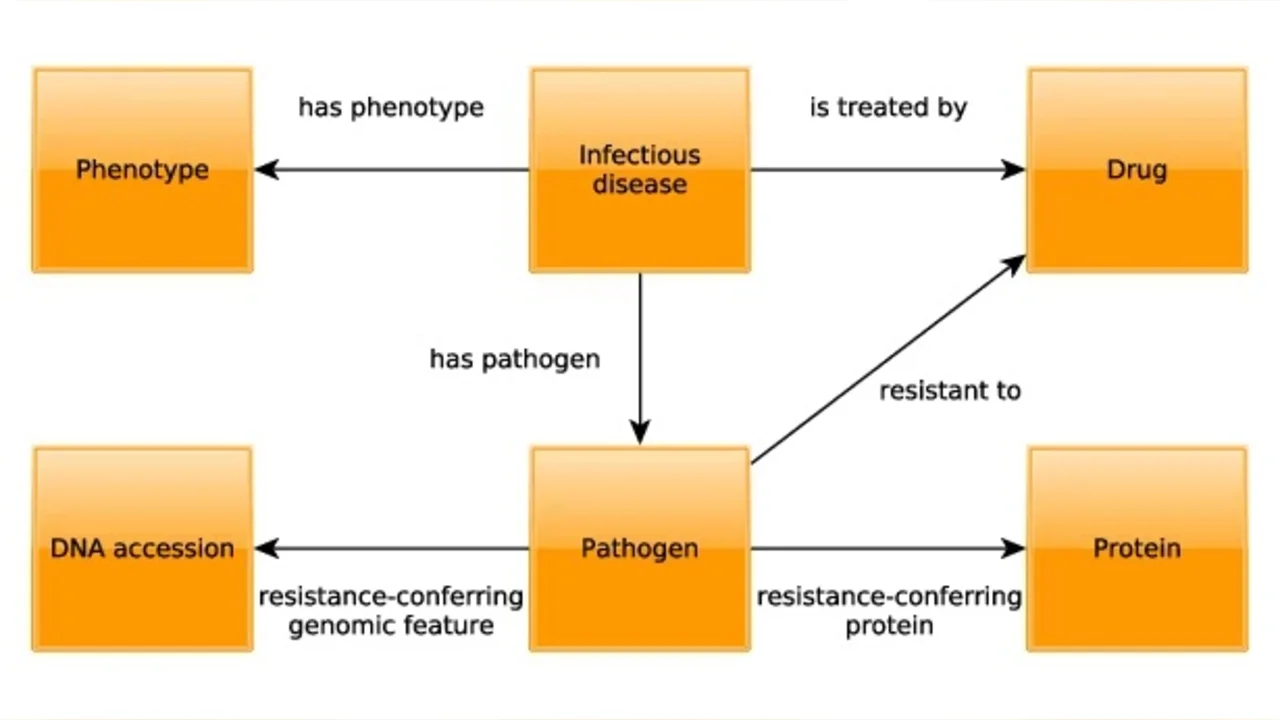
Pathogen informatics Research Details Infectious diseases are caused by a wide range of organisms (viruses, bacteria, fungi, worms, protozoa) that are generally considered as pathogens. Antimicrobial drugs are often the first-line therapy for infectious diseases. However, drug resistance accumulates over time due to the selection of genetic changes in pathogen populations when they are exposed to antimicrobial drugs (such as antibiotics, antifungals, antivirals, antimalarials, and antihelmintics). It now becomes crucial to develop strategies that can identify a pathogen rapidly and determine successful treatment options
Phenotypes Research CompleX: Variant prioritization in complex disease Details We are now at a stage when the discovery of new disease genes is slowing. The number of patients remaining undiagnosed following whole exome sequencing argues either that many more disease genes and variants still await discovery, or that the heterogeneity and novelty of disease phenotypes that we see are due to a combination of alleles of multiple, known, disease genes in the same individual. While the particular combinations of alleles in the same person may be rare, they likely involve medium-rare or common alleles as well as rare
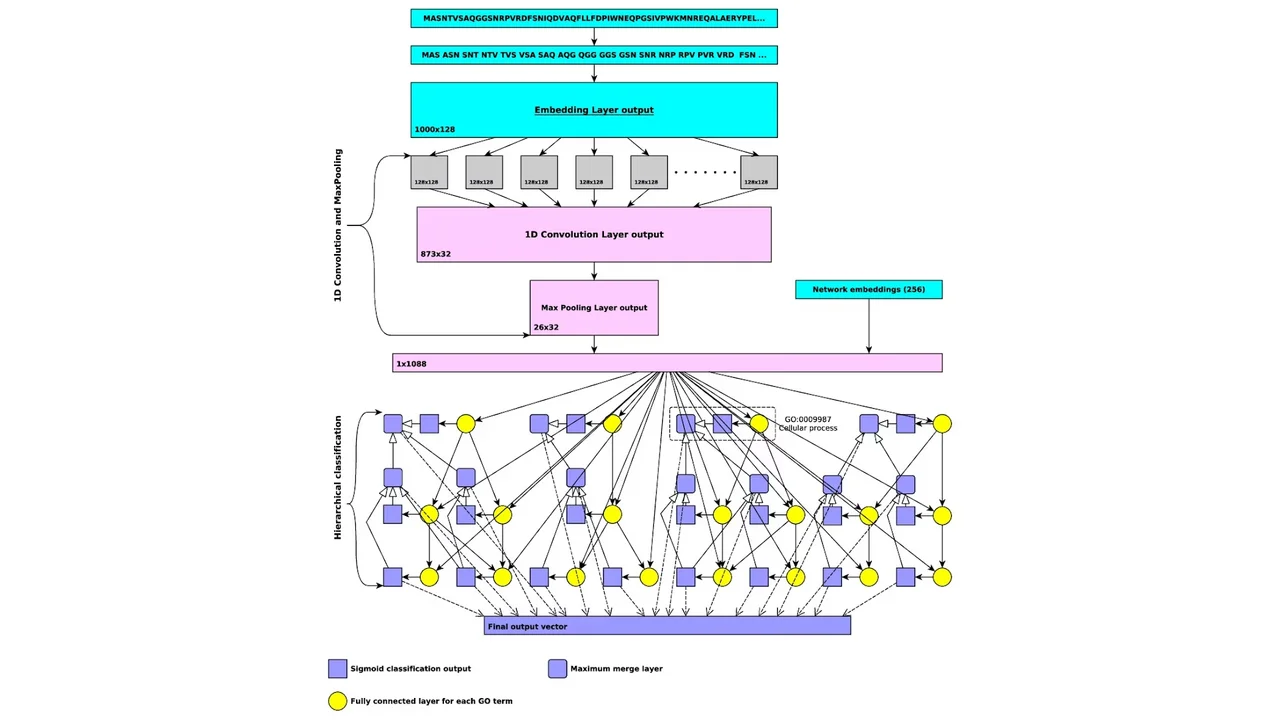
Prediction of functions and phenotypes Research Details The amount of available protein sequences is rapidly increasing, mainly as a consequence of the development and application of high throughput sequencing technologies in the life sciences. It is a key question in the life sciences to identify the functions of proteins, and furthermore to identify the phenotypes that may be associated with a loss (or gain) of function in these proteins. Protein functions are generally determined experimentally, and it is clear that experimental determination of protein functions will not scale to the current – and rapidly increasing – amount of
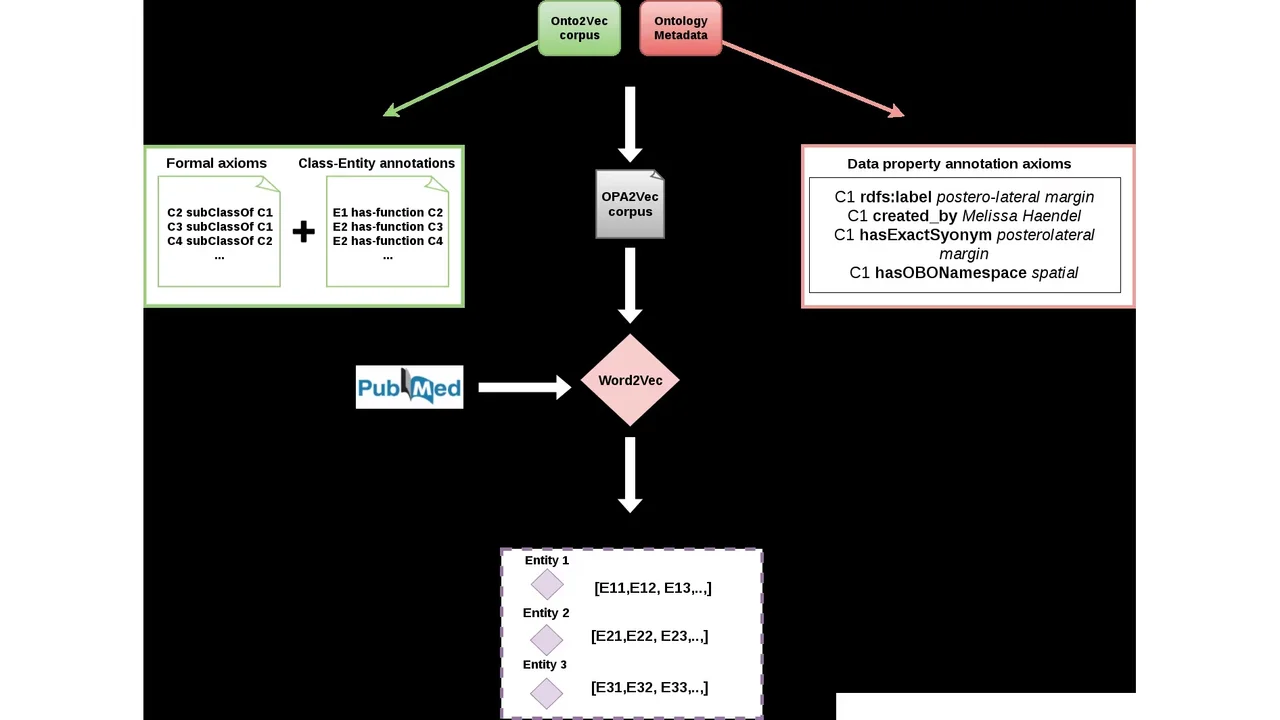
Software Research Open-source tools, libraries, services, and ontologies maintained by the Bio-Ontology Research Group. Source is on github.com/bio-ontology-research-group. Ontology Embedding & Machine Learning Libraries and methods that turn ontologies into vector representations or otherwise combine logical structure with statistical learning. mOWL Python library for machine learning with biomedical ontologies. Unifies projection-, axiom- and geometric-embedding methods (EL Embeddings, ELBE, BoxSquaredEL, OWL2Vec*, DL2Vec, OPA2Vec) behind one API, with first-class OWLAPI access and PyTorch integration. From
Join Us Info No positions are currently open. Please check back later, or follow the group's news for upcoming announcements.
Publications Publications A complete list of publications by members of the Bio-Ontology Research Group (143 entries). =0 ? '' : 'none';});document.querySelectorAll('.pub-section').forEach(function(s){var any=Array.from(s.querySelectorAll('.pub-item')).some(function(li){return li.style.display!=='none';});s.style.display = !v||any ? '' : 'none';});})(this.value)"> By year By topic 2026 Mashkova, Zhapa-Camacho, Hoehndorf. DELE: Deductive EL++ Embeddings for Knowledge Base Completion Neurosymbolic Artificial Intelligence. [live] Zhapa-Camacho, Hoehndorf. Fully Geometric Multi-hop Reasoning on Knowledge Graphs with
Teaching Teaching The Bio-Ontology Research Group teaches courses in artificial intelligence, knowledge representation, bioinformatics, and bioengineering within the Computer Science and Bioengineering programs at KAUST. Active Courses Applications of AI in Bioinformatics Computer Science Program. Most recently taught: 2025. An advanced graduate course on the use of machine learning and artificial intelligence methods for biological and biomedical data analysis. Topics include representation learning for biological sequences, structures, and ontology-annotated data; predictive modeling of protein and gene
Bio-Ontology Research Group Front Page Bio-Ontology Research Group · KAUST Bio-ontologies, neuro-symbolic AI, and biomedical data integration Led by Robert Hoehndorf, Computer Science Program, KAUST. Welcome to the website of the Bio-Ontology Research Group at KAUST. Our research focuses on the use of bio-ontologies for data integration and analysis in biology. We are interested in biological problems that require integration of multiple types of data and integration of data across scales and levels of granularity. We work on the development of biomedical ontologies, their application to data integration and annotation, and
A comprehensive update on CIDO: the community-based coronavirus infectious disease ontology Applied Ontology Year: 2022 Venue: Journal of Biomedical Semantics Authors: Yongqun He, Hong Yu, Anthony Huffman, Asiyah Yu Lin, Darren A. Natale, John Beverley, Ling Zheng, Yehoshua Perl, Zhigang Wang, Yingtong Liu, Edison Ong, Yang Wang, Philip Huang, Long Tran, Jinyang Du, Zalan Shah, Easheta Shah, Roshan Desai, Hsin-hui Huang, Yujia Tian, Eric Merrell, William D. Duncan, Sivaram Arabandi, Lynn M. Schriml, Jie Zheng, Anna Maria Masci, Liwei Wang, Hongfang Liu, Fatima Zohra Smaili, Robert Hoehndorf, Zoe May Pendlington, Paola Roncaglia, Xianwei Ye, Jiangan Xie, Yi-Wei Tang, Xiaolin Yang, Suyuan Peng, Luxia
A fast, accurate, and generalisable heuristic-based negation detection algorithm for clinical text Biomedical Informatics Semantic similarity Year: 2021 Venue: Computers in Biology and Medicine Authors: Luke T. Slater, William Bradlow, Dino FA. Motti, Robert Hoehndorf, Simon Ball, Georgios V. Gkoutos DOI: 10.1016/j.compbiomed.2021.104216 Abstract Semantic similarity is a useful approach for comparing patient phenotypes, and holds the potential of an effective method for exploiting text-derived phenotypes for differential diagnosis, text and document classification, and outcome prediction. While approaches for context disambiguation are commonly used in text mining applications, forming a standard component of information extraction
A Machine Learning Based Approach for Similarity Search on Biodiversity Knowledge Graphs Semantic similarity Neuro-Symbolic AI Year: 2019 Venue: Biodiversity Information Science and Standards Authors: Claus Weiland, Maxat Kulmanov, Marco Schmidt, Robert Hoehndorf Abstract Mass biodiversity data from scientific collections will be provided by world-wide digitization efforts like iDigBio in the U.S and DiSSCo in Europe. This opens up an increasing amount of data on wild type organisms, which enables the building of large biodiversity knowledge graphs comprising, inter alia, sequence, trait and occurrence data. Knowledge graphs model information in the form of entities and their relationships expressed in good practice
A reference quality, fully annotated diploid genome from a Saudi individual Biomedical Informatics Year: 2024 Venue: Scientific Data Authors: Maxat Kulmanov, Rund Tawfiq, Yang Liu, Hatoon Al Ali, Marwa Abdelhakim, Mohammed Alarawi, Hind Aldakhil, Dana Alhattab, Ebtehal A. Alsolme, Azza Althagafi, Angel Angelov, Salim Bougouffa, Patrick Driguez, Changsook Park, Alexander Putra, Ana M. Reyes-Ramos, Charlotte A. E. Hauser, Ming Sin Cheung, Malak S. Abedalthagafi, Robert Hoehndorf DOI: 10.1038/s41597-024-04121-2 Topics Biomedical informatics
A Review of Current Standards and the Evolution of Histopathology Nomenclature for Laboratory Animals Applied Ontology Ontology engineering Year: 2018 Venue: ILAR Journal Authors: Charlotte M Keenan, Colin McKerlie, Georgios V Gkoutos, Jerrold M Ward, John P Sundberg, Mark F Cesta, Paul N Schofield, Robert Cardiff, Robert Hoehndorf, Susan A Elmore Abstract The need for international collaboration in rodent pathology has evolved since the 1970s and was initially driven by the new field of toxicologic pathology. First initiated by the World Health Organization’s International Agency for Research on Cancer for rodents, it has evolved to include pathology of the major species (rats, mice, guinea pigs, nonhuman primates, pigs, dogs
Aber-OWL: a framework for ontology-based data access in biology Ontology engineering Biomedical Informatics Year: 2015 Venue: BMC Bioinformatics Authors: Robert Hoehndorf, Luke Slater, Paul N Schofield, Georgios V Gkoutos Abstract Background: Many ontologies have been developed in biology and these ontologies increasingly contain large volumes of formalized knowledge commonly expressed in the Web Ontology Language (OWL). Computational access to the knowledge contained within these ontologies relies on the use of automated reasoning. Results: We have developed the Aber-OWL infrastructure that provides reasoning services for bio-ontologies. Aber-OWL consists of an ontology repository, a set of web
AberOWL Applied Ontology Ontology engineering Ontology repository delivering OWL EL reasoning as a service: stores hundreds of bio-ontologies, exposes SPARQL with class-expression query expansion and powers semantic search over PubMed/PMC. Get it GitHub: https://github.com/bio-ontology-research-group/AberOWL ★ 10 Homepage: http://aber-owl.net Developed in projects Data integration and ontologies for microbial cell factories Category: Ontology Reasoning & Tooling
AberOWL: an ontology portal with OWL EL reasoning Ontology engineering Year: 2015 Venue: Proceedings of International Conference on Biomedical Ontologies (ICBO) Authors: Luke Slater, Georgios Gkoutos, Paul N. Schofield, Robert Hoehndorf Abstract The field of biological and biomedical science quickly generate large quantities of data and knowledge; often, domain knowledge is formalised using ontologies expressed in the Web Ontology Language (OWL). Ontology repositories such as Bioportal and Ontobee have been an important infrastructural component for managing ontologies, specifically to search, browse and download ontologies over the Web. We present the AberOWL
Age-related differences in gene expression and pathway activation following heatstroke Biomedical Informatics bioengineering Year: 2025 Venue: Physiological Genomics Authors: Maria Gomez, Saeed Al Mahri, Mashan Abdullah, Shuja Shafi Malik, Saber Yezli, Yara Yassin, Anas Khan, Cynthia Lehe, Sameer Mohammad, Robert Hoehndorf, Abderrezak Bouchama DOI: 10.1152/physiolgenomics.00053.2024 Abstract This study investigates the molecular responses to heatstroke in young and old patients by comparing whole-genome transcriptomes between age groups. We analyzed transcriptomic profiles from patients categorized into two age-defined cohorts: young (mean age = 44.9 ± 6 yr) and old (mean age = 66.1 ± 4 yr). Control subjects
An ontology approach to comparative phenomics in plants Applied Ontology Phenotype informatics Year: 2015 Venue: Plant Methods Authors: Anika Oellrich, Ramona Walls, Ethalinda Cannon, Steven Cannon, Laurel Cooper, Jack Gardiner, Georgios Gkoutos, Lisa Harper, Mingze He, Robert Hoehndorf, Pankaj Jaiswal, Scott Kalberer, John Lloyd, David Meinke, Naama Menda, Laura Moore, Rex Nelson, Anuradha Pujar, Carolyn Lawrence, Eva Huala DOI: 10.1186/s13007-015-0053-y Abstract BACKGROUND:Plant phenotype datasets include many different types of data, formats, and terms from specialized vocabularies. Because these datasets were designed for different audiences, they frequently contain language and
An open source knowledge graph ecosystem for the life sciences Ontology engineering Year: 2024 Venue: Scientific Data Authors: Tiffany J. Callahan, Ignacio J. Tripodi, Adrianne L. Stefanski, Luca Cappelletti, Sanya B. Taneja, Jordan M. Wyrwa, Elena Casiraghi, Nicolas A. Matentzoglu, Justin Reese, Jonathan C. Silverstein, Charles Tapley Hoyt, Richard D. Boyce, Scott A. Malec, Deepak R. Unni, Marcin P. Joachimiak, Peter N. Robinson, Christopher J. Mungall, Emanuele Cavalleri, Tommaso Fontana, Giorgio Valentini, Marco Mesiti, Lucas A. Gillenwater, Brook Santangelo, Nicole A. Vasilevsky, Robert Hoehndorf, Tellen D. Bennett, Patrick B. Ryan, George Hripcsak, Michael G. Kahn
Analysis of mammalian gene function through broad-based phenotypic screens across a consortium of mouse clinics Phenotype informatics Biomedical Informatics Year: 2015 Venue: Nature Genetics Authors: Martin Hrab\ve de Angelis, George Nicholson, Mohammed Selloum, Jacqueline K White, Hugh Morgan, Ramiro Ramirez-Solis, Tania Sorg, Sara Wells, Helmut Fuchs, Martin Fray, David J Adams, Niels C Adams, Thure Adler, Antonio Aguilar-Pimentel, Dalila Ali-Hadji, Gregory Amann, Philippe Andr\'e, Sarah Atkins, Aurelie Auburtin, Abdel Ayadi, Julien Becker, Lore Becker, Elodie Bedu, Raffi Bekeredjian, Marie-Christine Birling, Andrew Blake, Joanna Bottomley, Michael R Bowl, V\'eronique Brault, Dirk H Busch, James N Bussell, Julia Calzada-Wack, Heather Cater
Analysis of the human diseasome using phenotype similarity between common, genetic, and infectious diseases Rare disease Semantic similarity Year: 2015 Venue: Scientific Reports Authors: Robert Hoehndorf, Paul N Schofield, Georgios V Gkoutos Abstract Phenotypes are the observable characteristics of an organism arising from its response to the environment. Phenotypes associated with engineered and natural genetic variation are widely recorded using phenotype ontologies in model organisms, as are signs and symptoms of human Mendelian diseases in databases such as OMIM and Orphanet. Exploiting these resources, several computational methods have been developed for integration and analysis of phenotype data to identify the genetic
Analyzing gene expression data in mice with the Neuro Behavior Ontology Applied Ontology Biomedical Informatics Year: 2014 Venue: Mamm Genome Authors: R. Hoehndorf, J. M. Hancock, N. W. Hardy, A. M. Mallon, P. N. Schofield, G. V. Gkoutos Abstract We have applied the Neuro Behavior Ontology (NBO), an ontology for the annotation of behavioral gene functions and behavioral phenotypes, to the annotation of more than 1,000 genes in the mouse that are known to play a role in behavior. These annotations can be explored by researchers interested in genes involved in particular behaviors and used computationally to provide insights into the behavioral phenotypes resulting from differences in gene expression. We
Annotating genomes with DeepGO protein function prediction tools protein function genomics Year: 2025 Venue: Protein Function Prediction Authors: Rund Tawfiq, Kexin Niu, Maxat Kulmanov, Robert Hoehndorf DOI: 10.1007/978-1-0716-4662-5_10 Abstract This chapter explores the evolution of DeepGO, a suite of deep learning-based tools for protein function prediction, in the form of Gene Ontology (GO) terms, and their applications in genome annotation. We provide a comprehensive overview of the different versions of DeepGO, highlighting key advancements introduced by each method. To demonstrate the practical application of these tools, we present a case study on the annotation of a
Applied Ontology Applied Ontology Applied ontology, in our group, means using formal representation to make complex phenotypes, functions, and processes amenable to computational analysis across domains. The starting point is the standardization and curation of biological knowledge using ontologies built with explicit logical commitments, and the long-term goal is to produce representations that support both human curators and automated reasoners. Earlier work in this line concentrated on foundational ontologies, including the General Formal Ontology (GFO) and its biological extension GFO-Bio, and on a formal ontology of
Best behaviour? Ontologies and the formal description of animal behaviour Applied Ontology Phenotype informatics Year: 2015 Venue: Mammalian Genome Authors: Georgios V Gkoutos, Robert Hoehndorf, Loukia Tsaprouni, Paul N Schofield DOI: 10.1007/s00335-015-9590-y Abstract The development of ontologies for describing animal behavior has proved to be one of the most difficult of all scientific knowledge domains. Ranging from neurological processes to human emotions the range and scope needed for such ontologies is highly challenging, but if data integration and computational tools such as automated reasoning are to be fully applied in this important area the underlying principles of these ontologies need to
Bioengineering bioengineering Bioengineering at the interface between materials, cells, and computation requires the careful pairing of wet-lab experimentation with omics-scale analysis. Our contribution here is computational and analytic: we partner with synthetic biology, biomaterials, and clinical teams to interpret transcriptomic, metabolomic, and structural data from engineered biological systems, patient-derived models, and human studies. The distinctive angle is to bring the same ontology-aware, multi-omics integration that underpins our diagnostic and functional-genomics work to bear on bioengineered constructs and
BioHackathon 2015: Semantics of data for life sciences and reproducible research Ontology engineering Biomedical Informatics Year: 2020 Venue: F1000Research Authors: Rutger A. Vos, Toshiaki Katayama, Hiroyuki Mishima, Shin Kawano, Shuichi Kawashima, Jin-Dong Kim, Yuki Moriya, Toshiaki Tokimatsu, Atsuko Yamaguchi, Yasunori Yamamoto, Hongyan Wu, Peter Amstutz, Erick Antezana, Nobuyuki P. Aoki, Kazuharu Arakawa, Jerven T. Bolleman, Evan Bolton, Raoul J. P. Bonnal, Hidemasa Bono, Kees Burger, Hirokazu Chiba, Kevin B. Cohen, Eric W. Deutsch, Jesualdo T. Fern\'andez-Breis, Gang Fu, Takatomo Fujisawa, Atsushi Fukushima, Alexander Garc\'\ia, Naohisa Goto, Tudor Groza, Colin Hercus, Robert Hoehndorf, Kotone Itaya, Nick Juty
BioHackathon series in 2011 and 2012: penetration of ontology and linked data in life science domains. Applied Ontology Year: 2014 Venue: Journal of biomedical semantics Authors: Toshiaki Katayama, Mark D. Wilkinson, Kiyoko F. Aoki-Kinoshita, Shuichi Kawa\-shima, Yasunori Yamamoto, Atsuko Yamaguchi, Shinobu Okamoto, Shin Kawano, Jin-Dong Kim, Yue Wang, Hongyan Wu, Yoshinobu Kano, Hiromasa Ono, Hidemasa Bono, Simon Kocbek, Jan Aerts, Yukie Akune, Erick Antezana, Kazuharu Arakawa, Bruno Aranda, Joachim Baran, Jerven Bolleman, Raoul Jp Bonnal, Pier Luigi Buttigieg, Matthew P. Campbell, Yi-An Chen, Hirokazu Chiba, Peter Ja Cock, Kevin B. Cohen, Alexandru Constantin, Geraint Duck, Michel Dumontier, Takatomo Fujisawa
BioHackathon series in 2013 and 2014: improvements of semantic interoperability in life science data and services Ontology engineering Biomedical Informatics Year: 2019 Venue: F1000Research Authors: T Katayama, S Kawashima, G Micklem, S Kawano, JD Kim, S Kocbek, S Okamoto, Y Wang, H Wu, A Yamaguchi, Y Yamamoto, E Antezana, KF Aoki-Kinoshita, K Arakawa, M Banno, J Baran, JT Bolleman, RJP Bonnal, H Bono, JT Fernandez-Breis, R Buels, MP Campbell, H Chiba, PJA Cock, KB Cohen, M Dumontier, T Fujisawa, T Fujiwara, L Garcia, P Gaudet, E Hattori, R Hoehndorf, K Itaya, M Ito, D Jamieson, S Jupp, N Juty, A Kalderimis, F Kato, H Kawaji, T Kawashima, AR Kinjo, Y Komiyama, M Kotera, T Kushida, J Malone, M Matsubara, S Mizuno, S Mizutani, H Mori, Y Moriya, K
Biomedical informatics Biomedical Informatics Our biomedical informatics work converts heterogeneous research-grade data into usable inputs for clinicians and computational biologists. Within KAUST's Computer Science Program, we build biomedical knowledge bases, mine text for structured biological assertions, standardize clinical phenotype encodings, and develop analytics over electronic health records and rare-disease cohorts. The distinctive feature of our approach is that almost every component is grounded in formal ontologies, so that text-mined facts, curated databases and clinical observations share a common semantic substrate and
CAGI6 ID panel challenge: assessment of phenotype and variant predictions in 415 children with neurodevelopmental disorders (NDDs) Rare disease Phenotype informatics Year: 2025 Venue: Human Genetics Authors: Maria Cristina Aspromonte, Alessio Del Conte, Shaowen Zhu, Wuwei Tan, Yang Shen, Yexian Zhang, Qi Li, Maggie Haitian Wang, Giulia Babbi, Samuele Bovo, Pier Luigi Martelli, Rita Casadio, Azza Althagafi, Sumyyah Toonsi, Maxat Kulmanov, Robert Hoehndorf, Panagiotis Katsonis, Amanda Williams, Olivier Lichtarge, Su Xian, Wesley Surento, Vikas Pejaver, Sean D. Mooney, Uma Sunderam, Rajgopal Srinivasan, Alessandra Murgia, Damiano Piovesan, Silvio C. E. Tosatto, Emanuela Leonardi DOI: 10.1007/s00439-024-02722-w Abstract Abstract The Genetics of
catE Neuro-Symbolic AI Ontology engineering Applied Ontology Category-theoretic, lattice-preserving embedding of ALC description-logic ontologies that retains the consequence-closure semantics of the original theory. Get it GitHub: https://github.com/bio-ontology-research-group/catE ★ 3 Developed in projects IBNSINA-QI: Integrating Biomedical Networks and Semantic Information for Neural network Analysis of Quantitative Information Category: Ontology Embedding & Machine Learning
Causal knowledge graph analysis identifies adverse drug effects Drug mechanisms Year: 2025 Venue: Bioinformatics Authors: Sumyyah Toonsi, Paul N Schofield, Robert Hoehndorf DOI: 10.1093/bioinformatics/btaf661 Abstract The data is available through https://github.com/bio-ontology-research-group/Mediation-Analysis-using-Causal-Knowledge-Graph. Topics Drug mechanisms
Causal relationships between diseases mined from the literature improve the use of polygenic risk scores Biomedical Informatics Rare disease Year: 2024 Venue: Bioinformatics Authors: Sumyyah Toonsi, Iris Ivy Gauran, Hernando Ombao, Paul N Schofield, Robert Hoehndorf DOI: 10.1093/bioinformatics/btae639 Abstract The data are available through https://github.com/bio-ontology-research-group/causal-relations-between-diseases. Topics Biomedical informatics · Rare disease
Combining biomedical knowledge graphs and text to improve predictions for drug-target interactions and drug-indications Drug mechanisms Neuro-Symbolic AI Year: 2022 Venue: PeerJ Authors: Mona Alshahrani, Abdullah Almansour, Asma Alkhaldi, Maha A. Thafar, Mahmut Uludag, Magbubah Essack, Robert Hoehndorf DOI: 10.7717/peerj.13061 Abstract Biomedical knowledge is represented in structured databases and published in biomedical literature, and different computational approaches have been developed to exploit each type of information in predictive models. However, the information in structured databases and literature is often complementary. We developed a machine learning method that combines information from literature and databases to predict drug
Combining lexical and context features for automatic ontology extension Ontology engineering Biomedical Informatics Year: 2020 Venue: Journal of Biomedical Semantics Authors: Sara Althubaiti, Senay Kafkas, Marwa Abdelhakim, Robert Hoehndorf Topics Ontology engineering · Biomedical informatics Acknowledged projects ccf-microbial-cell-factories crg-bio2vec
Computational prediction of protein functional annotations protein function Year: 2025 Venue: Protein Function Prediction Authors: Maxat Kulmanov, Robert Hoehndorf DOI: 10.1007/978-1-0716-4662-5_1 Abstract Protein function prediction is a crucial task in bioinformatics and computational biology, as it enables the understanding of disease mechanisms, development of new therapeutics, and improvement of crop yields. Despite significant advances, the majority of protein functions remain unknown or poorly annotated, hindering our understanding of biological systems. This review provides a comprehensive overview of the available methods for protein function prediction
Contribution of model organism phenotypes to the computational identification of human disease genes Rare disease Phenotype informatics Semantic similarity Year: 2022 Venue: Disease Models & Mechanisms Authors: Sarah Alghamdi, Paul N. Schofield, Robert Hoehndorf DOI: 10.1242/dmm.049441 Abstract Computing phenotypic similarity helps identify new disease genes and diagnose rare diseases. Genotype-phenotype data from orthologous genes in model organisms can compensate for lack of human data and increase genome coverage. In the past decade, cross-species phenotype comparisons have proven valuble, and several ontologies have been developed for this purpose. The relative contribution of different model organisms to computational identification of
Courses Courses taught by Robert Hoehndorf — recent first. Year Course Program Role Code 2026 Knowledge Representation and Reasoning Computer Science Instructor CS 213 2026 Neurosymbolic AI Computer Science Instructor CS 394D 2025 Application of AI in Bioinformatics Computer Science Instructor CS 321 2025 Algorithms in Bioinformatics Computer Science Instructor CS 249 2025 Foundations of Bioengineering Bioengineering Co-Instructor BioE 200 2024 Foundations of Bioengineering Bioengineering Co-Instructor BioE 200 2024 Knowledge Representation and Reasoning Computer Science Instructor CS 213 2024
Critical assessment of variant prioritization methods for rare disease diagnosis within the rare genomes project Rare disease genomics Year: 2024 Venue: Human Genomics Authors: Sarah L. Stenton, Melanie C. O’Leary, Gabrielle Lemire, Grace E. VanNoy, Stephanie DiTroia, Vijay S. Ganesh, Emily Groopman, Emily O’Heir, Brian Mangilog, Ikeoluwa Osei-Owusu, Lynn S. Pais, Jillian Serrano, Moriel Singer-Berk, Ben Weisburd, Michael W. Wilson, Christina Austin-Tse, Marwa Abdelhakim, Azza Althagafi, Giulia Babbi, Riccardo Bellazzi, Samuele Bovo, Maria Giulia Carta, Rita Casadio, Pieter-Jan Coenen, Federica De Paoli, Matteo Floris, Manavalan Gajapathy, Robert Hoehndorf, Julius O. B. Jacobsen, Thomas Joseph, Akash Kamandula, Panagiotis
Data science and symbolic AI: Synergies, challenges and opportunities Neuro-Symbolic AI Year: 2017 Venue: Data Science Authors: Robert Hoehndorf, Nuria Queralt-Rosinach DOI: 10.3233/ds-170004 Abstract Symbolic approaches to artificial intelligence represent things within a domain of knowledge through physical symbols, combine symbols into symbol expressions, and manipulate symbols and symbol expressions through inference processes. While a large part of Data Science relies on statistics and applies statistical approaches to artificial intelligence, there is an increasing potential for successfully applying symbolic approaches as well. Symbolic representations and symbolic
Datamining with Ontologies Biomedical Informatics Applied Ontology Year: 2016 Venue: Data Mining Techniques for the Life Sciences Authors: Robert Hoehndorf, Georgios V. Gkoutos, Paul N. Schofield DOI: 10.1007/978-1-4939-3572-7_19 Abstract The use of ontologies has increased rapidly over the past decade and they now provide a key component of most major databases in biology and biomedicine. Consequently, datamining over these databases benefits from considering the specific structure and content of ontologies, and several methods have been developed to use ontologies in datamining applications. Here, we discuss the principles of ontology structure, and
DDIEM: drug database for inborn errors of metabolism Drug mechanisms Rare disease Year: 2020 Venue: Orphanet Journal of Rare Diseases Authors: Marwa Abdelhakim, Eunice McMurray, Ali Raza Syed, Senay Kafkas, Allan Anthony Kamau, Paul N Schofield, Robert Hoehndorf DOI: 10.1186/s13023-020-01428-2 Abstract Abstract Background Inborn errors of metabolism (IEM) represent a subclass of rare inherited diseases caused by a wide range of defects in metabolic enzymes or their regulation. Of over a thousand characterized IEMs, only about half are understood at the molecular level, and overall the development of treatment and management strategies has proved challenging. An overview of
DeepGO protein function Neuro-Symbolic AI Original sequence-based, ontology-aware deep classifier for predicting Gene Ontology functional annotations; basis of the entire DeepGO family of tools. Get it GitHub: https://github.com/bio-ontology-research-group/deepgo ★ 87 Developed in projects Computational methods for functional metagenomics: from protein functions to multi-scale interactions Bio2Vec: Smart analytics infrastructure for the life sciences Category: Protein Function Prediction